A Girl on a Train
Play A Girl on a Train
A Girl on a Train Screenshots
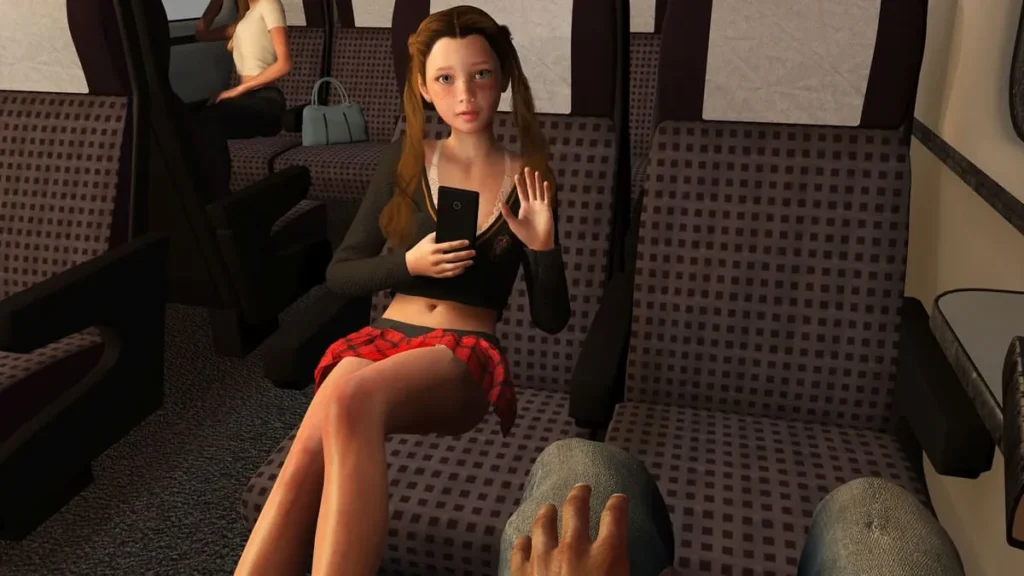
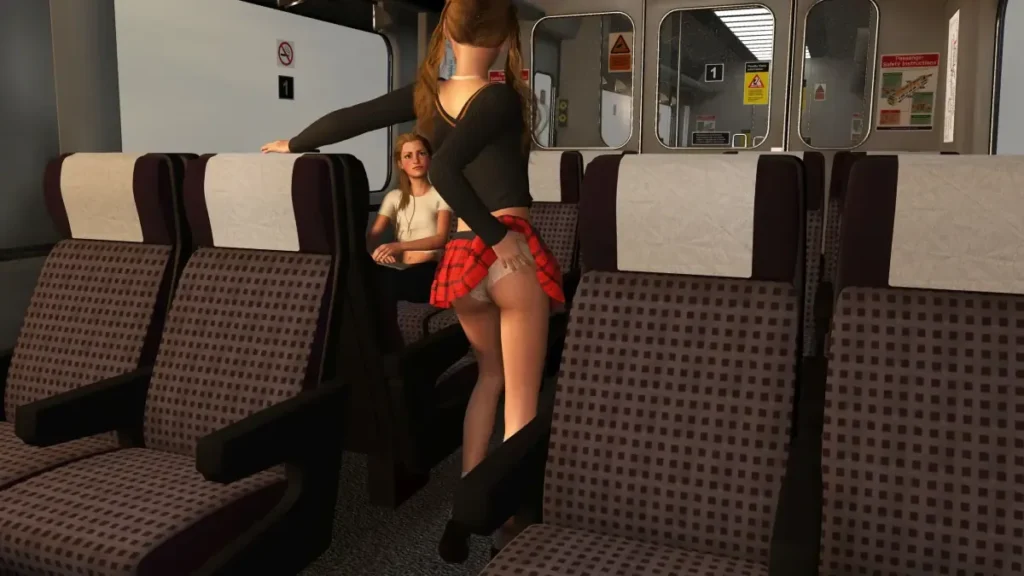




A Girl on a Train review
Explore Gameplay, Features, and Player Experience of A Girl on a Train
A Girl on a Train is a unique interactive experience that blends storytelling with engaging gameplay elements. This article dives into the core aspects of the game, highlighting its immersive narrative, character interactions, and gameplay mechanics. Whether you’re curious about how the game unfolds or want practical tips to enhance your playthrough, this guide will provide a comprehensive overview of what makes A Girl on a Train stand out in its genre.
Exploring the Gameplay and Storyline of A Girl on a Train
Ever find yourself staring out a real train window, your own reflection staring back, and wonder about the lives flickering past in the other compartments? ✨ That exact feeling of poignant curiosity is the heart of A Girl on a Train. This isn’t your typical action-packed adventure; it’s a beautifully crafted interactive story game that places you in the seat of a young woman on a long, introspective journey. Your job isn’t to fight monsters, but to navigate the complex landscape of memory, conversation, and choice.
As someone who’s played through its winding paths multiple times, I can tell you: this game stays with you. It masterfully turns a simple train ride into a profound exploration of a life at a crossroads. Let’s dive into the stations of its design and discover what makes this journey so unforgettable. 🚂
What Is A Girl on a Train? An Overview
At its core, A Girl on a Train is a narrative exploration game. You assume the role of a woman traveling to a destination that holds significant personal weight. The confines of the train car become your entire world—a moving capsule filled with strangers, fleeting landscapes, and, most importantly, your own thoughts.
The core concept is deceptively simple: a journey from Point A to Point B. But the real voyage is internal. Through interactions with other passengers, reading old letters, and sifting through memories triggered by the passing scenery, you piece together her story. Who is she running from? Or perhaps, what is she running toward? The game’s power lies in its quiet atmosphere and its insistence that you, the player, actively participate in uncovering the emotional truth. It’s a A Girl on a Train game that proves a setting doesn’t need to be epic to feel immense.
Key Gameplay Mechanics and Features
The gameplay mechanics in A Girl on a Train are elegantly designed to serve the story, never overshadowing it. You won’t find complex puzzles or quick-time events here. Instead, interaction is thoughtful and deliberate.
- First-Person Exploration & Observation: You navigate the train car, able to examine details like a half-empty coffee cup, a forgotten book, or the photograph tucked in your bag. 👁️ These aren’t just set decorations; they’re narrative triggers. Looking at an object often opens a floodgate of memory or a new line of dialogue.
- Dialogue Trees with Consequence: Conversations with other passengers are the main engine of the story. The game features dialogue options that range from polite and reserved to deeply personal and probing. There’s no “good” or “bad” choice, only authentic ones that shape how characters perceive you and what they choose to reveal.
- The Memory System: This is a standout mechanic. As you observe things or talk to people, “Memory” prompts appear. Selecting them lets you dive into a fully realized flashback. These scenes are playable, allowing you to experience key past moments firsthand and make choices that already happened, fundamentally informing who your character is in the present.
- The Journal: Your in-game journal automatically updates with sketches, found items, and reflections based on your discoveries. It’s a wonderful, organic way to track your understanding of the narrative and see how your perspective evolves.
To break it down, here’s a look at the central systems at work:
| Mechanic | How It Works | Impact on Experience |
|---|---|---|
| Dialogue Selection | Choosing from context-sensitive responses during chats with passengers. | Directly controls relationship dynamics and unlocks unique story branches. |
| Environmental Interaction | Clicking to examine objects both inside the train and within memory sequences. | Unlocks crucial backstory and provides deeper character insight. |
| Memory Triggers | Activating flashback scenes by interacting with specific story items. | Allows players to experience and influence past decisions, creating a dual-timeline narrative. |
| Personal Journal | An auto-filled book that records findings, thoughts, and mementos. | Serves as a personal story recap and emotional anchor for the player’s journey. |
These gameplay mechanics work in harmony to create a seamless, immersive experience. The player choices impact is felt not through loud fanfare, but through subtle shifts in tone, a new piece of information revealed, or a change in a character’s demeanor. It feels real.
How the Story Develops Through Player Choices
This is where A Girl on a Train truly shines as an interactive story game. The narrative isn’t a track you watch from afar; it’s a garden of forking paths that you cultivate with every decision. The branching narrative is expertly woven, ensuring that no two playthroughs are exactly the same.
On my first playthrough, I was cautious. My character was polite but closed off, guarding her pain. I listened to the elderly man in the seat across but offered little of my own story. The journey ended with a sense of quiet, unresolved loneliness. I reached my destination, but I felt I’d missed the point of the trip entirely.
Curious, I started again. This time, I was raw and honest. I shared my fears with the stranger, I confronted painful memories head-on instead of avoiding them. The entire texture of the game changed! 🔄 The old man shared a profound story of his own loss, offering a perspective that reshaped my character’s understanding of her situation. The ending was bittersweet but filled with a sense of closure and hope I hadn’t found before.
The player choices impact is profound but never punitive. The game respects your decisions, allowing the story to become a reflection of your own emotional inclinations.
This branching narrative is achieved through a complex web of flags and variables. Seemingly small actions—like whether you read a certain letter before talking to a passenger, or which memory you explore first—can open up or close off entire conversational avenues and even alter the final scenes. It’s a masterclass in making the player feel responsible for the story’s direction, which massively boosts replayability. You’ll want to go back just to see what—or who—you missed the first time.
And let’s not forget the visual style, which is a silent narrator in itself. The art is often soft, with a painterly quality that blurs the line between the present and memories. The color palette shifts dramatically: the train car might be rendered in cool, desaturated blues and greys, while a warm, golden-hued flashback to a summer picnic bursts with vibrant life. This visual language instantly tells you where you are in the character’s psyche. The user interface is minimalist and diegetic; your journal is a physical book, and options appear as natural thought bubbles, never breaking the carefully constructed mood.
In the end, A Girl on a Train is more than a game; it’s an experience. It asks for your attention and your empathy, and in return, it gives you a story that feels uniquely yours. Its brilliant fusion of thoughtful gameplay mechanics, a deeply responsive branching narrative, and a evocative visual style sets a high bar for what an interactive story game can achieve. So, buy your ticket, find your seat, and see where the tracks take you. You might be surprised by the destination you find, both on the map and within yourself. 💖
A Girl on a Train offers a compelling blend of narrative depth and interactive gameplay, making it a memorable experience for players who enjoy story-driven games. Its branching paths and character interactions provide plenty of opportunities for exploration and replay. Whether you’re new to this genre or a seasoned player, the game’s unique approach to storytelling is sure to engage and entertain. Dive in and discover the many layers this game has to offer.