Aperture
Play Aperture
Aperture Screenshots
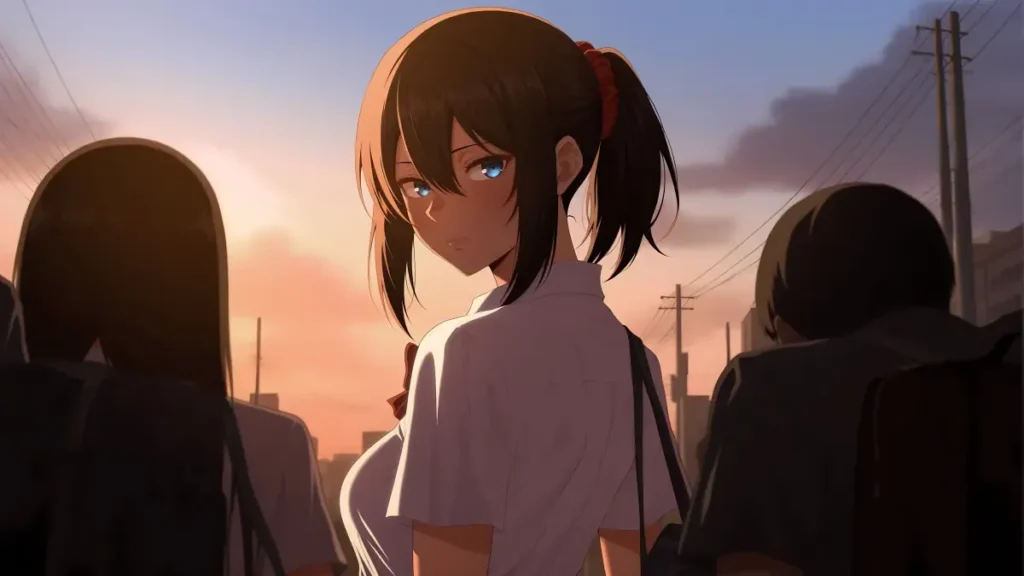
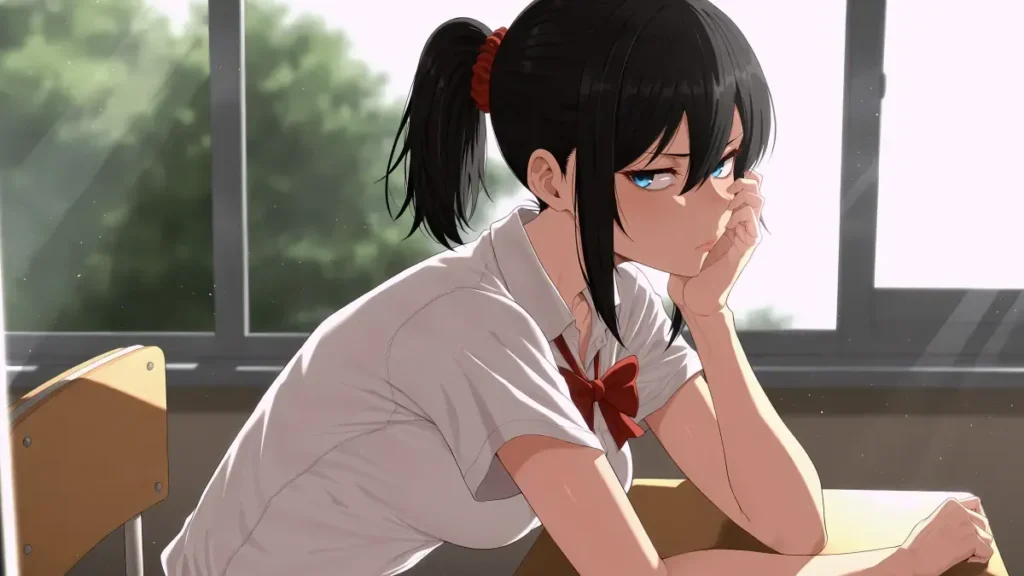
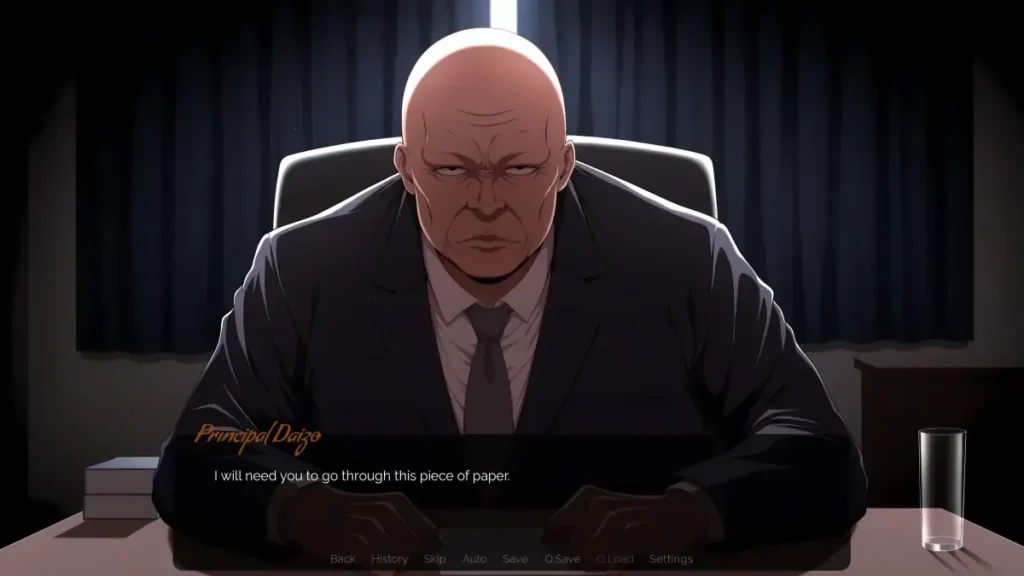


Aperture review
Explore the immersive mystery, emotional depth, and interactive mechanics of this compelling visual novel
Aperture stands out as a gripping interactive experience that blends mystery, emotional storytelling, and engaging gameplay mechanics. Set within the prestigious Hoshino Academy, this visual novel follows Keita as he navigates complex relationships, uncovers hidden secrets, and experiences a narrative shaped entirely by his choices. The game combines slow-building character development with meaningful decision-making, creating a uniquely personal journey for each player. Whether you’re drawn to immersive storytelling, character-driven narratives, or interactive gameplay, Aperture delivers a memorable experience that challenges your assumptions and keeps you engaged from start to finish.
Understanding Aperture: Story, Setting & Character Development
Ever pick up a game expecting a simple, relaxing time, only to find yourself hours later, emotionally invested in a way you never saw coming? That was my exact experience with Aperture. What starts as a seemingly straightforward visual novel about school life quickly deepens into one of the most compelling narratives I’ve encountered, where every whispered secret and hesitant choice carries immense weight. At its heart, the Aperture game story isn’t about grand adventures; it’s a slow, intimate burn of personal transformation, and it’s masterfully told through the halls of its central location.
This chapter is your guide to understanding that profound depth. We’re diving into the narrative engine that drives this experience, exploring the living, breathing world of its setting, and unpacking the delicate character arcs that form the emotional core of your journey. If you’ve ever felt that your choices in a game should matter more, Aperture is waiting for you. 🎭
The Narrative Foundation: What Drives Aperture’s Story
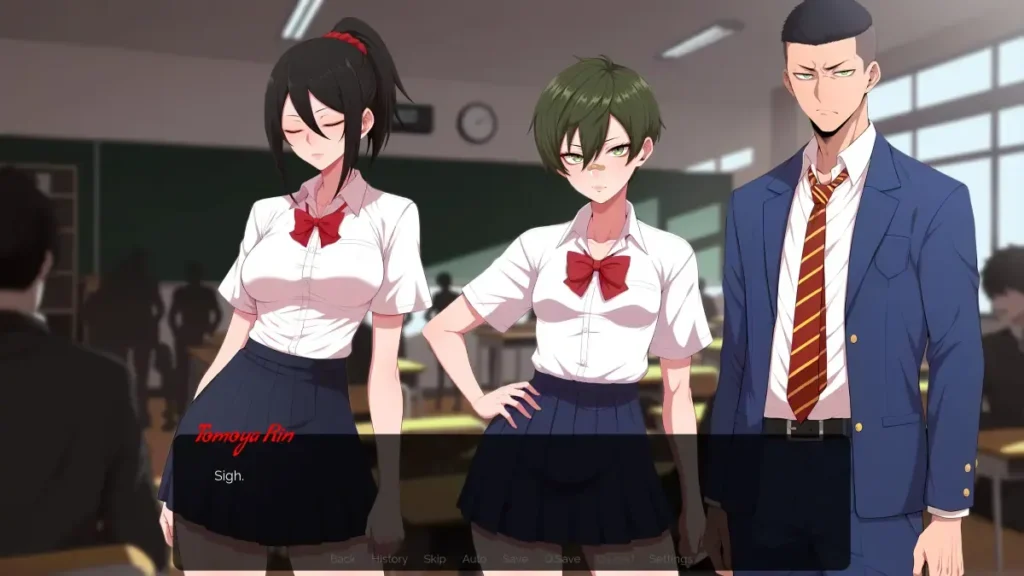
Let’s be honest: the premise sounds like the setup for a classic rom-com. You play as Keita, a somewhat directionless student who, through a moment of pure clumsiness, breaks the expensive camera of Rin Tomoya, the intense and respected president of the Rin Tomoya photography club. Your punishment? Being forced to join her club and work off the debt. Cue the quirky school life antics, right?
Wrong. 🚫
This initial accident is merely the first click of the shutter, opening the aperture to a much darker, more complex picture. The true Aperture game story is a meticulous exploration of identity, emotional corruption, and the fragile nature of relationships. As Keita, you’re not just attending club meetings; you’re being pulled into Rin’s orbit, a world obsessed with capturing perfect, truthful moments in a school that is anything but perfect.
The genius of the narrative lies in its pacing and perspective. The story is told through Keita’s eyes, and his personal growth—or decay—is the lens through which you see everything. Your Aperture narrative choices begin subtly. Do you show genuine interest in photography, or just go through the motions to pay off your debt? Do you defend a club member being bullied, or keep your head down to avoid trouble? These aren’t just dialogue options; they are personality calibrations.
From my own playthrough, I remember a seemingly innocent early choice. Rin asked if I believed a photo could tell a lie. I chose a flippant, “Sure, just Photoshop it.” This wasn’t just a throwaway line. That choice subtly locked me into a more cynical path, making later, more trusting interactions with her feel strained and less available. The game remembers everything, and this foundation of small decisions builds the unique version of Keita you will become. This is the essence of Aperture character development—it’s not about picking a predefined archetype at the start, but sculpting a person through hundreds of micro-interactions.
The narrative expertly weaves in elements of emotional tension and conflict, often stemming from the complex web of relationships at Hoshino Academy. Other characters have their own agendas, histories, and connections to Rin. Your growing bond with her can provoke jealousy, manipulation, and rivalries that introduce profound emotional stakes. These moments aren’t gratuitous; they serve to test the identity you’ve been building for Keita, asking difficult questions about loyalty, desire, and what you’re willing to sacrifice. This creates the game’s unique brand of emotional storytelling gameplay, where you feel the consequence of every glance and every withheld secret.
Hoshino Academy: A Living, Breathing World
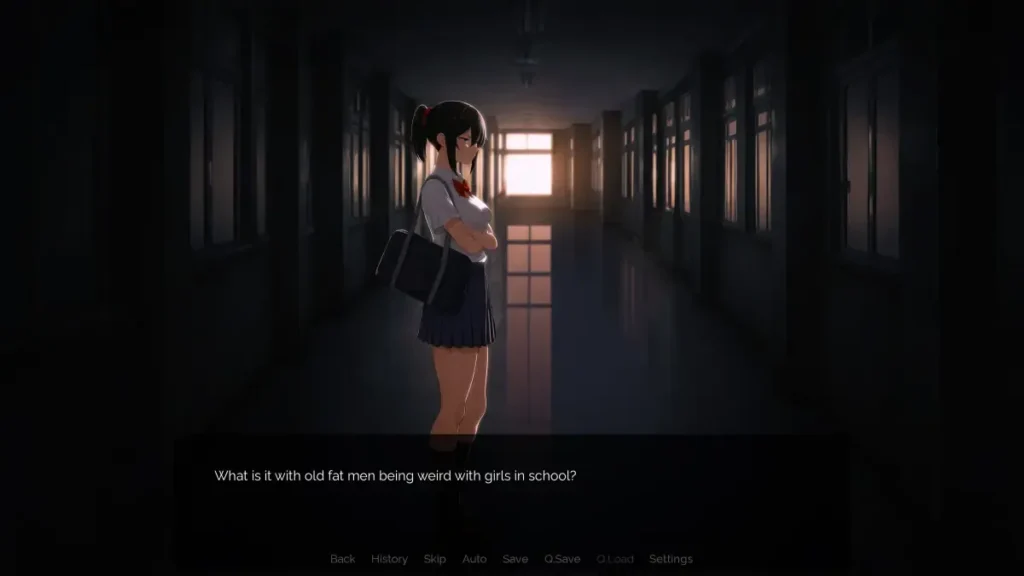
If the characters are the heart of Aperture, then Hoshino Academy is its nervous system—a place that feels less like a backdrop and more like a character in its own right. This isn’t a generic anime school; it’s a place with a palpable history and a mood that shifts with your relationships. 🏫
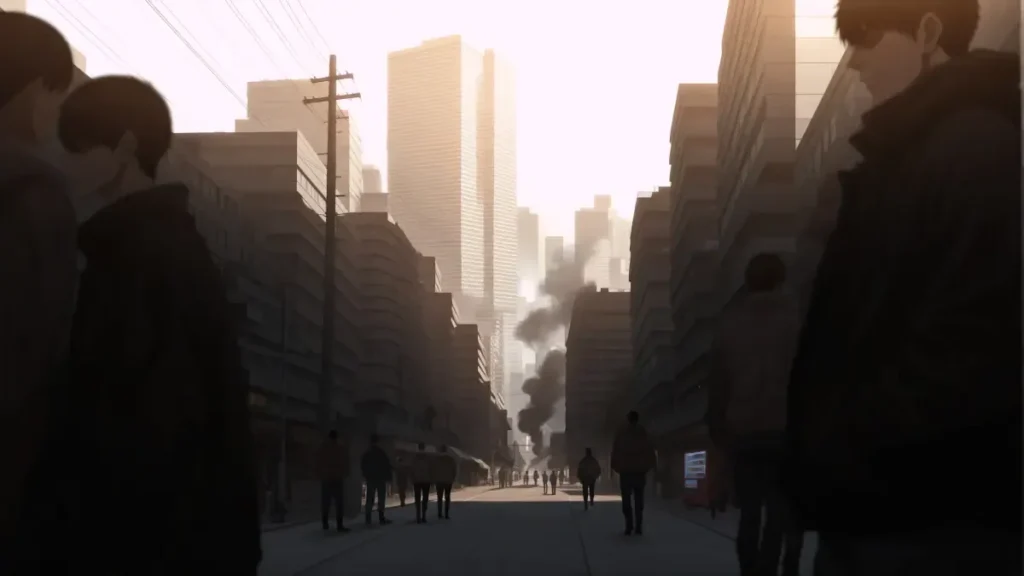
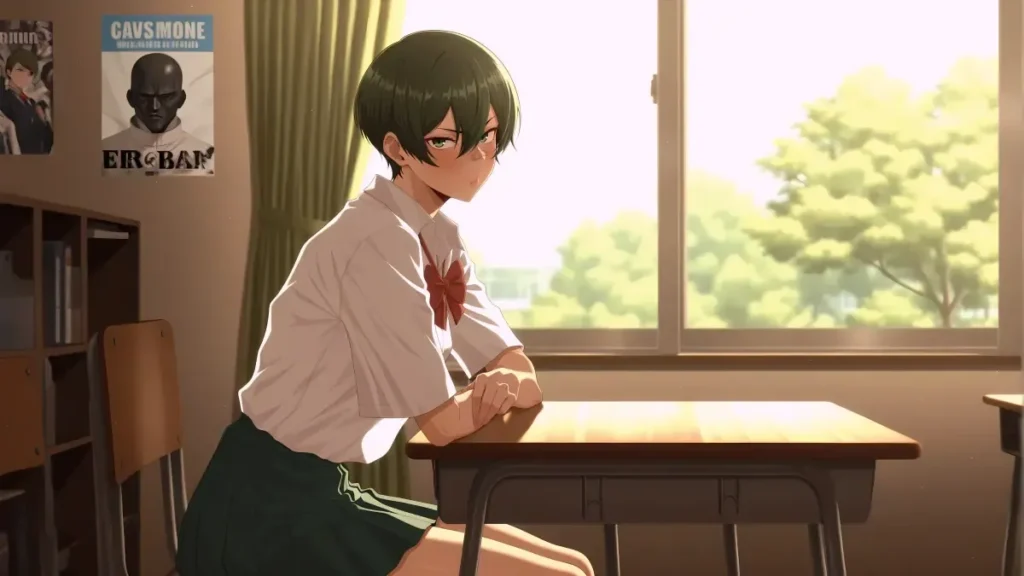
The Hoshino Academy visual novel experience is deeply atmospheric. The developers use environmental storytelling with a masterful touch. You’ll notice details that change or gain meaning over time:
* Faded Club Recruitment Posters: Once vibrant, now peeling at the corners, hinting at a decline in school spirit or certain clubs.
* Discarded Notes and Test Papers: Fluttering in a secluded courtyard, offering fragments of other students’ anxieties and failures.
* Evolving Yearbook Photos: Portraits in the hallways that seem to tell a story of their own as you learn more about the students in them.
What makes Hoshino Academy truly special is how it reacts to you. The school corridors feel different when you’re in Rin’s good graces versus when you’re on the outs with her or other key figures. A hallway that once felt welcoming might feel hostile and empty if you’ve made an enemy. Students’ gossip, heard in passing, will change based on your reputation. Are you the clumsy newbie in the photography club, Rin’s diligent protege, or a troublemaker stirring up drama?
This reactive environment means your Aperture narrative choices don’t just affect dialogue trees; they change the very atmosphere of the world you inhabit. Choosing to investigate a rumor about another student might unlock a new, previously inaccessible area of the school library, filled with clues to a hidden backstory. Conversely, aligning yourself too closely with one social group might make other areas of the school feel closed off. The world of this Hoshino Academy visual novel is a direct reflection of your social navigation, making every playthrough spatially unique.
The school itself is a mirror. What you see in its halls—whether they seem full of opportunity or haunted by secrets—depends entirely on the person you’ve chosen to become.
Character Arcs: The Emotional Core of Your Journey
This is where Aperture truly shines. The characters aren’t static portraits; they are intricate puzzles, and you hold many of the pieces. Their arcs are deeply intertwined with your own path, creating a chain reaction of emotional cause and effect.
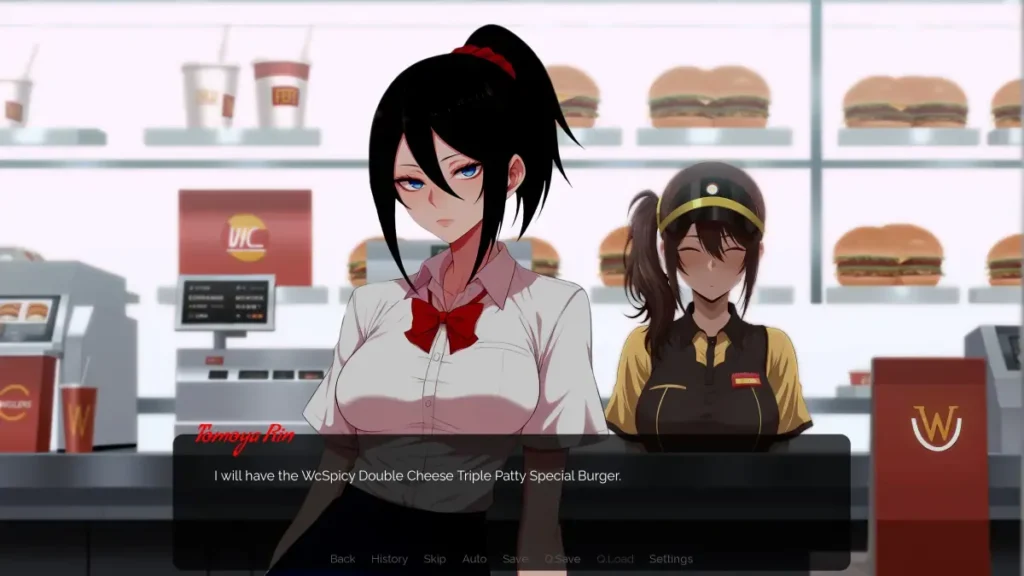
Let’s start with Rin Tomoya. The president of the Rin Tomoya photography club is an enigma wrapped in a uniform. She’s fiercely dedicated to her art, viewing the camera as a tool for absolute truth. But as you peel back her layers, you discover a person burdened by expectations, past trauma, and a desperate need to control the narrative of her own life—both in her viewfinder and in reality. Your relationship with her is the central axis around which the game spins. Will you become the person who helps her see the world in a new light, or the one who confirms her darkest suspicions about people?
Keita’s arc, as mentioned, is yours to shape. But the supporting cast is equally vital. From the seemingly cheerful club member hiding a family crisis to the aloof student council president with a hidden interest in the photography club’s activities, each person has a full story that can be uncovered, influenced, or even damaged by your actions.
The emotional storytelling gameplay reaches its peak in pivotal decision moments. Let me give you a concrete example from my second playthrough.
Example: The Exposed Film
Midway through the story, I stumbled upon a hidden, developed photo that implicated another student in a serious, reputation-destroying secret. Rin, ever the purist for truth, expected me to bring it to her immediately. The student in question, however, was someone who had shown me kindness when I was an outsider.
* Choice A: Show Rin the photo and “do the right thing.” This cements your identity as someone who values ruthless truth above all, deeply pleasing Rin but destroying another character’s life and turning several side characters against you. Weeks later, this leads to a isolated, intense ending where only your bond with Rin remains, but it’s a bond built on a shared coldness.
* Choice B: Destroy the photo to protect the student. This seems like the “kind” option, but it means lying directly to Rin, violating her core principle. This choice triggers a devastating rift in the Rin Tomoya photography club. She questions your entire relationship, and the emotional storytelling gameplay that follows is a masterclass in tension, as you navigate her distrust and the guilt of your deception. This path branches into endings focused on redemption or tragic separation.
This is the weight of Aperture narrative choices. A single decision doesn’t just give you a different line of dialogue; it fractures relationships, alters character motivations, and sends ripples through the narrative that you’ll feel many in-game weeks later. This system is what creates the renowned Aperture multiple endings. You aren’t just picking “Good” or “Bad” at a finale; you are walking a unique path from the very first day, and the ending is the natural, often heartbreaking, conclusion of that journey.
To visualize how these intricate choices weave together, here’s a look at how key early decisions can steer your relationships and the broader story:
| Your Early Choice (Personality Lean) | Impact on Rin Tomoya | Impact on Other Key Characters | Potential Story Branch Unlocked |
|---|---|---|---|
| Honest & Direct (Prioritize truth in conversations) | Builds respect and intellectual connection. Unlocks deeper conversations about her philosophy. | May intimidate or alienate more secretive characters. Seen as reliable by authority figures. | “The Purist’s Path” – Endings focused on artistic legacy and uncompromising truth. |
| Protective & Empathetic (Prioritize others’ feelings) | Creates a warmer, but potentially shallower bond. She may see you as avoiding hard truths. | Builds strong alliances with vulnerable characters. Gains you informants and helpers. | “The Guardian’s Path” – Endings focused on community, sacrifice, and mended wounds. |
| Cynical & Self-Serving (Prioritize personal gain/safety) | Relationships is transactional and tense. Unlocks manipulative dialogue options. | Creates rivals and enemies. You may learn secrets through blackmail or deceit. | “The Survivor’s Path” – Endings full of betrayal, isolation, or pyrrhic victories. |
Ultimately, the Aperture character development system ensures that no two journeys through Hoshino Academy are the same. You might guide a side character toward a brighter future in one playthrough, only to discover in another that your neglect leads them down a dark path you never knew existed. This incredible depth is why discussing the Aperture multiple endings is so rewarding—each one feels earned, a direct reflection of the person you chose to be and the relationships you chose to nurture or neglect. It’s a powerful reminder that in Aperture, you aren’t just witnessing a story; you are living, breathing, and feeling every consequential moment of it. 💔✨
Aperture represents a masterclass in interactive storytelling, seamlessly blending compelling narrative with engaging gameplay mechanics. Through its richly woven mystery set at Hoshino Academy, the game delivers genuine player agency where choices carry tangible weight and lead to wildly different outcomes. The combination of slow-building character development, meaningful decision-making, and immersive presentation creates a uniquely personal journey for each player. Whether you’re drawn to the emotional depth of character arcs, the satisfaction of solving intricate puzzles, or the replay value of discovering multiple endings, Aperture offers an unforgettable experience that challenges assumptions and keeps you engaged from start to finish. Dive into this compelling visual novel today to uncover its secrets and witness the unfolding drama firsthand.