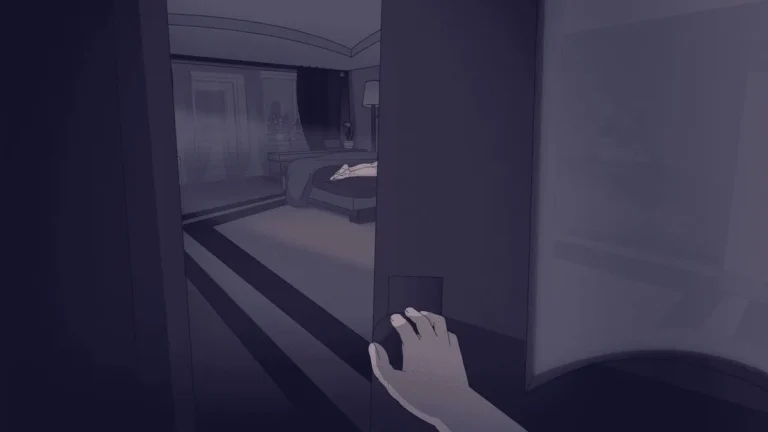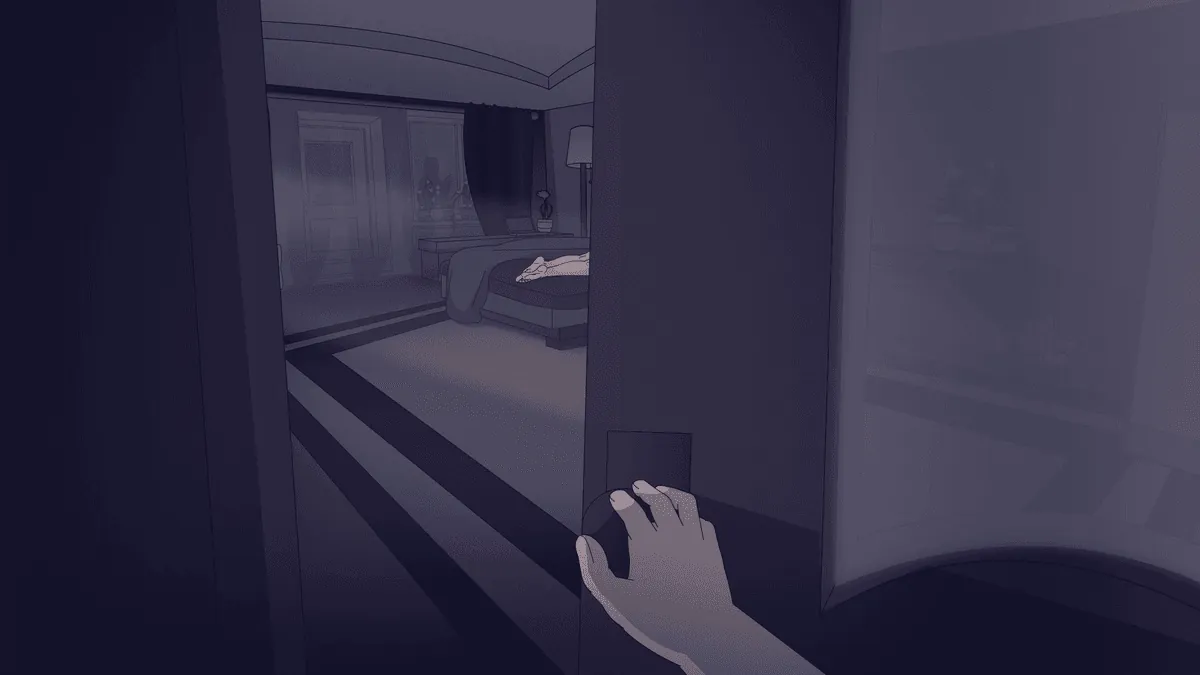
Deathable
Play Deathable
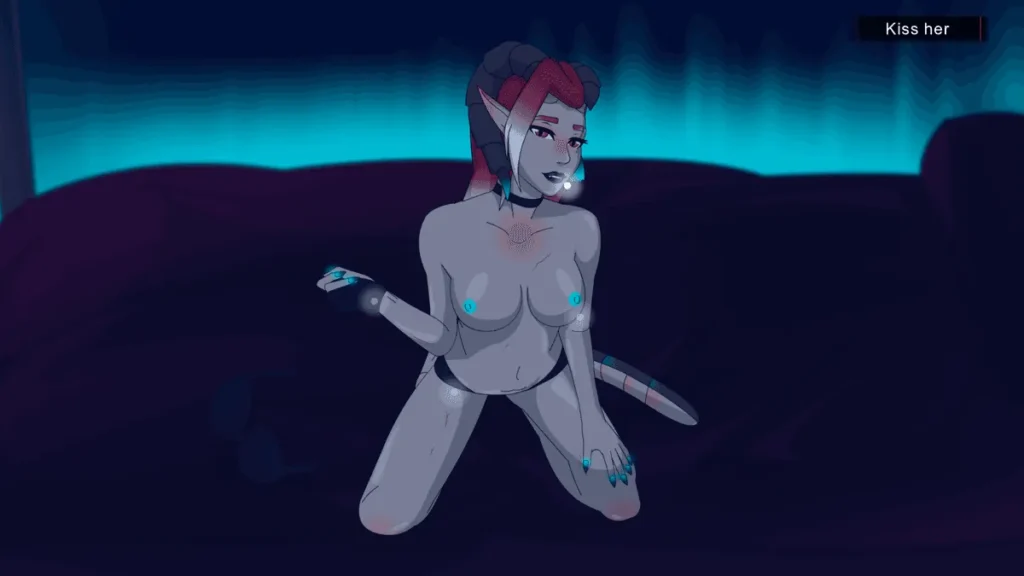
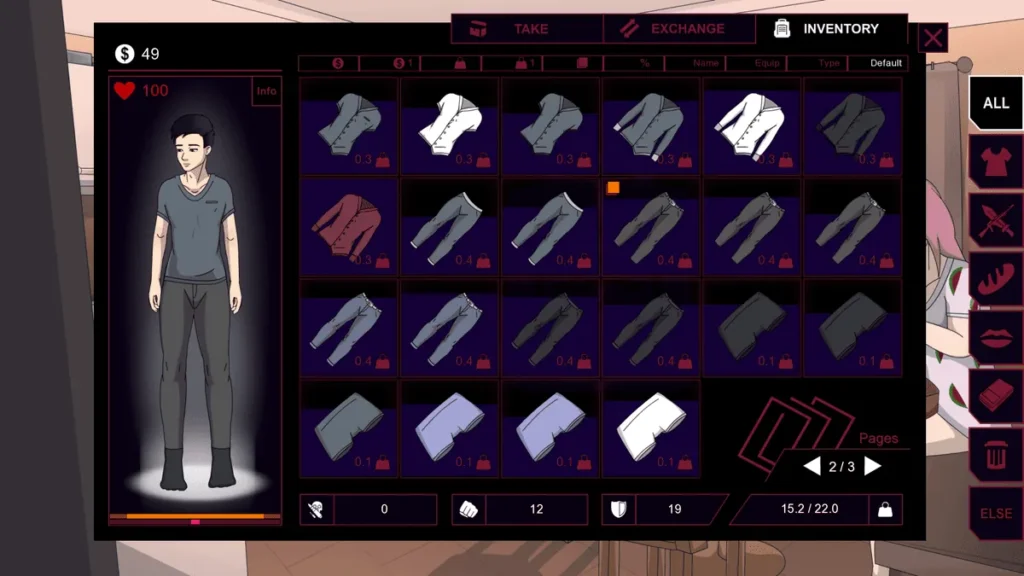
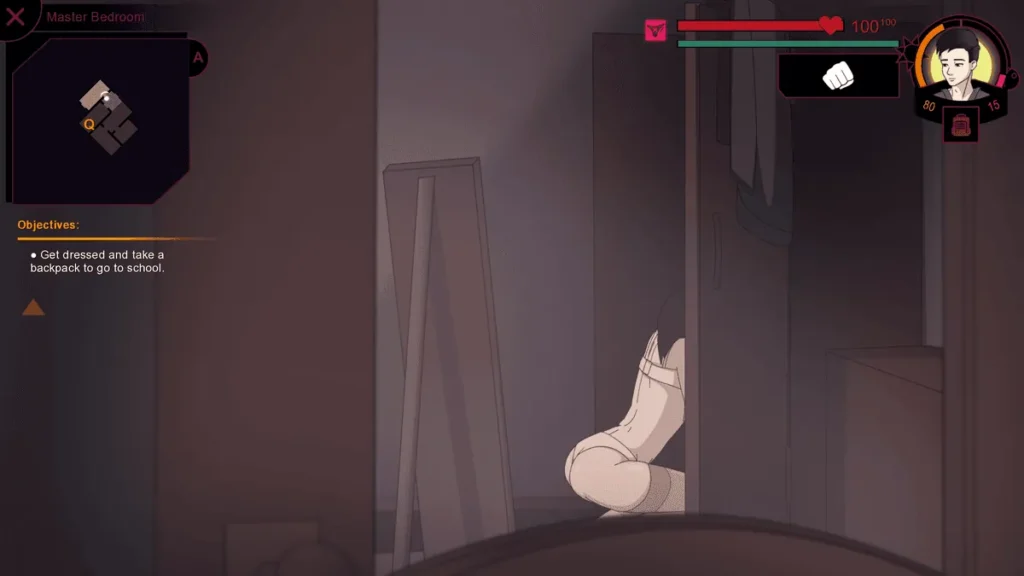
Deathable Screenshots




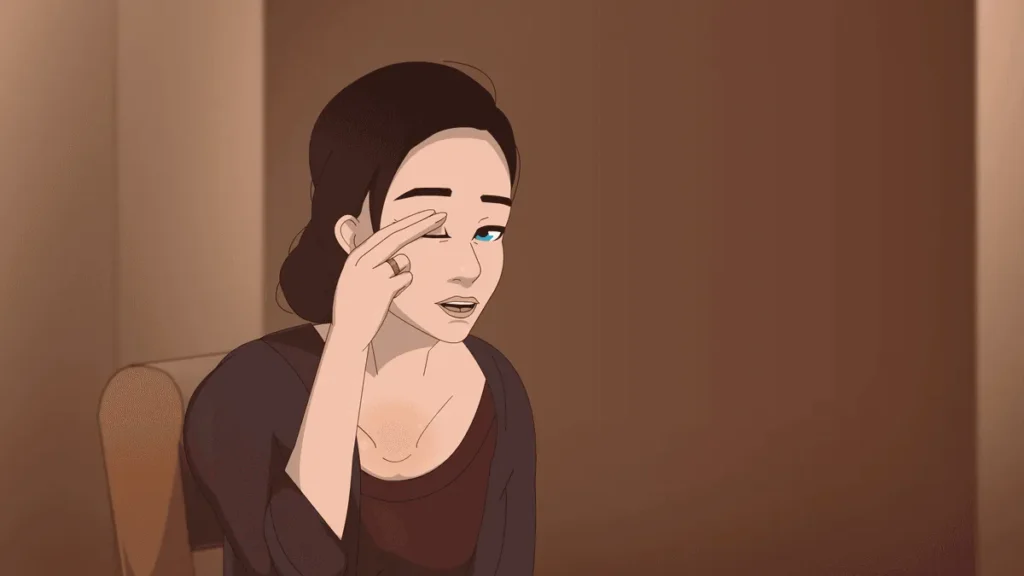

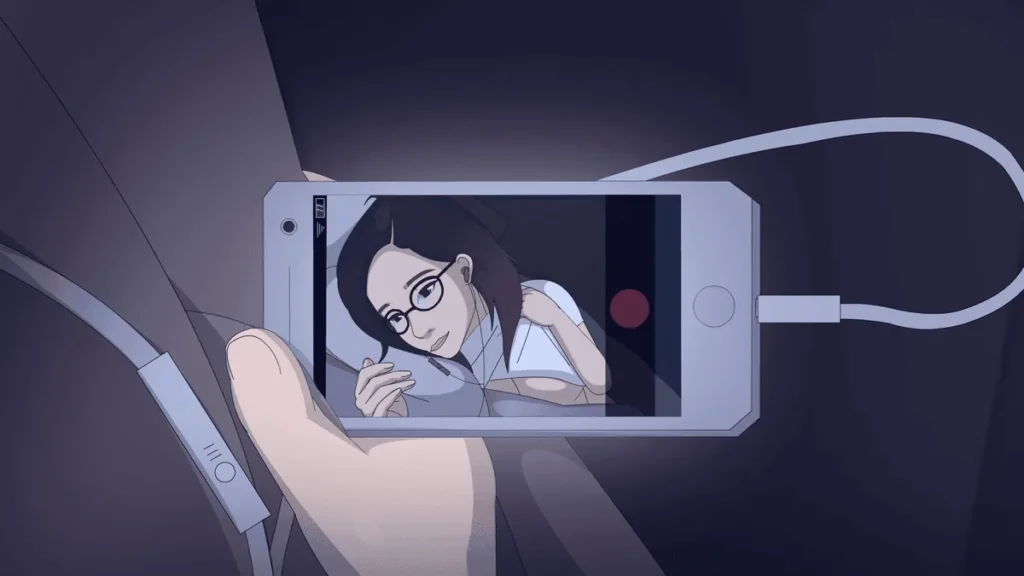
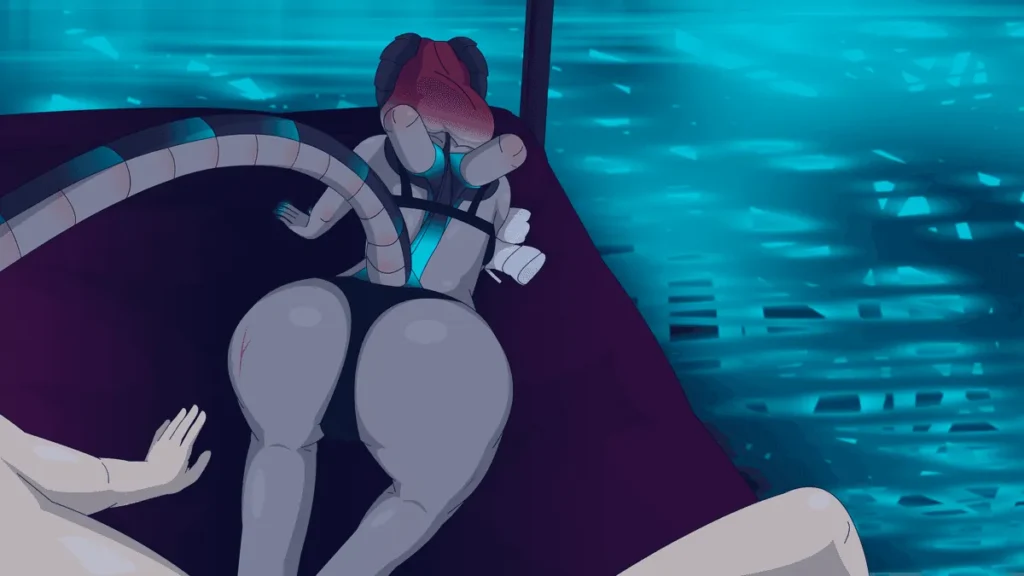
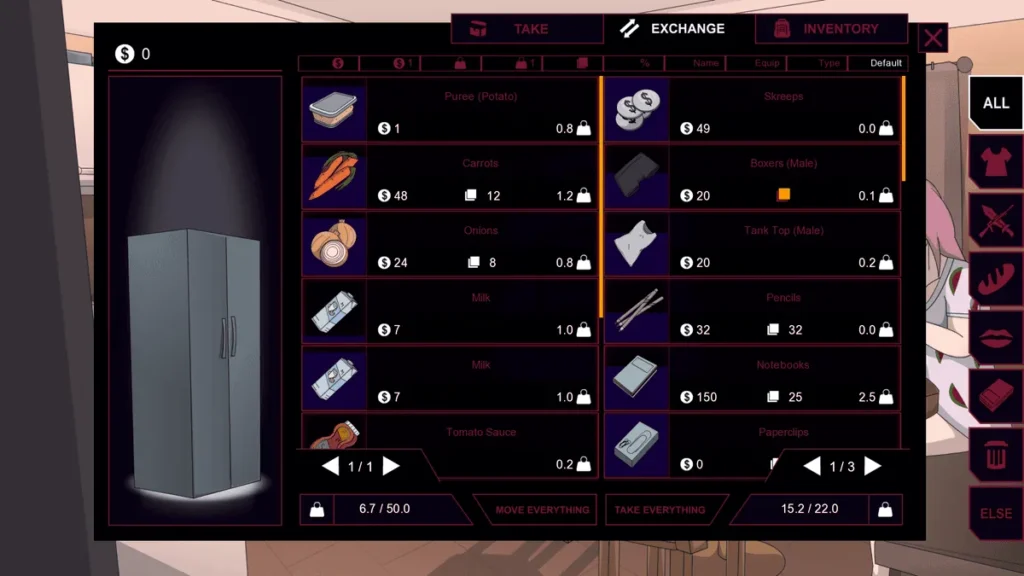

Deathable review
Master the dystopian visual novel with branching narratives and character-driven choices
Deathable stands out as a narrative-driven visual novel that blends dystopian storytelling with mature themes and player agency. Created by developer Meorless, this interactive experience puts you in control of a protagonist navigating a world where two realities collide. Unlike traditional games focused on combat or grinding, Deathable emphasizes emotional depth, consequence-driven choices, and character relationships that evolve based on your decisions. Whether you’re drawn to dark atmospheric storytelling, complex moral dilemmas, or intimate character interactions, this guide explores what makes Deathable a compelling experience for adult players seeking meaningful narrative gameplay.
Understanding Deathable: Core Gameplay Mechanics and Story Foundation
Ever stumbled into a game that feels less like a pastime and more like a portal to another life? 😲 That’s the unique pull of Deathable, a dystopian visual novel that redefines what it means to be immersed in a digital story. If you’re tired of games where your choices are just window dressing, this is where your decisions carve the very bedrock of the narrative. This guide will walk you through everything that makes this project a standout, from its haunting world to the mastermind behind its creation.
Buckle up; you’re about to dive into a world where every click matters, every silence speaks volumes, and your moral compass is your most crucial—and most challenged—tool. 🧭
### What Type of Game Is Deathable and Who Created It?
Let’s cut to the chase: Deathable is not your typical click-through adventure. At its heart, it’s a character-driven visual novel of the highest order. Think of it as an interactive graphic novel where your primary tools are observation, conversation, and introspection. There are no quick-time events to mash through or combats to win. Instead, the tension and payoff come entirely from the narrative-driven gameplay. The loop is deceptively simple: explore evocative environments, solve environmental puzzles that often hinge on understanding the story’s context, and engage in dialogue where every selection can ripple outward, altering relationships and plot trajectories.
The soul of this experience is Meorless developer, the singular creative force who writes, draws, programs, and orchestrates the entire production. 🤯 In an era of massive teams, Meorless stands out as a true auteur, crafting a deeply personal and cohesive vision. Releasing primarily through Patreon, this model allows for a direct, iterative relationship with the player community, shaping the story in a way big studio productions rarely can.
This is a mature experience, through and through. It deals with explicit content and explores dark, complex themes like identity, the ghosts of personal history, and the struggle for redemption in a broken world. It’s not a game about saving the world in a grand, heroic sense; it’s about navigating the intricate, often painful process of saving—or understanding—yourself and the people you’re bound to. The supernatural elements aren’t just for set dressing; they serve as a powerful metaphor for internal and external conflict.
Tip from a Player: Don’t rush. The beauty of a narrative-driven gameplay experience like this is in the details. Click on everything, re-read dialogue, and pay attention to the stunning frame-by-frame animations and atmospheric sound design. They’re not just polish; they’re storytelling.
### The Dystopian Setting: Two Worlds Connected
Imagine waking up to your ordinary life, only to find a crack in reality itself—a doorway to a version of your world that has decayed, transformed, or been utterly broken. This is the core premise of Deathable. The game’s genius lies in its dystopian game mechanics, which are seamlessly woven into the setting itself. You don’t just read about a dystopia; you actively bridge two of them.
The protagonist’s journey begins in a semblance of normalcy, but a cataclysmic event—”The Turn”—shatters that reality, connecting it to a parallel, dystopian counterpart. The dystopian game mechanics emerge from this clash. One world might represent order, stagnation, or suppressed truth, while the other embodies chaos, forgotten history, or raw, unchecked consequence. Your role is to navigate both, with knowledge and items from one realm directly impacting your possibilities in the other. It’s a constant exercise in adaptation and perspective-shifting.
This duality fuels the game’s central themes. Questions of identity become urgent: Who are you when your entire context is split in two? How do you form genuine connections when the very ground of reality is unstable? The setting acts as a pressure cooker for character development, forcing the protagonist and the people they meet to reveal their core selves. The branching narrative choices you make are often about which world’s logic you prioritize, which version of “truth” you cling to, and whose survival you value in this new, fractured existence.
I remember a specific moment in my playthrough where a simple, compassionate choice in the “normal” world had devastating, unintended repercussions in its dystopian twin. It was a masterclass in consequence, showing me that the game’s dystopian game mechanics weren’t about resource management, but about the management of hope and despair across two realities. 😨
### How Deathable’s Episodic Structure Works
Tackling a massive, choice-heavy narrative all at once is a daunting task—for both the creator and the player. Deathable elegantly sidesteps this potential overwhelm with its deliberate episodic story structure. Instead of one monolithic 50-hour story, the game is released in distinct chapters, each functioning almost like a season of a premium TV series. 🎬
This approach is a game-changer. For Meorless developer, it allows for focused storytelling, deeper polish on each segment, and the ability to incorporate player feedback into the ongoing narrative in a meaningful way. For you, the player, it makes the experience more digestible and deeply engaging. Each episode has its own narrative arc, rising tension, and climax, while contributing to the sprawling overarching plot. It gives you time to sit with major decisions and their immediate fallout before moving forward.
The episodic story structure also perfectly complements the branching narrative choices. Because consequences are contained and then built upon in subsequent chapters, your choices feel weighty and permanent. A relationship you damaged in Episode 2 might be mendable in Episode 3, but only if you make a specific series of amends. This creates a living, breathing story that feels responsive. You’re not just picking endings from a menu at the finale; you’re architecting the story’s path with every chapter.
Think of it like building a mosaic. Each episode is a carefully crafted tile. On its own, it’s a beautiful, complete image. But as you place more tiles, guided by your branching narrative choices, the larger, breathtaking picture of your unique story emerges. This format is a huge part of what makes Deathable such a compelling and replayable character-driven visual novel.
So, how does all this truly stack up against a more traditional visual novel? Let’s break it down.
| Core Feature | Traditional Visual Novel | Deathable’s Approach |
|---|---|---|
| Narrative Driver | Often linear or with few major branch points leading to distinct “routes.” | Dynamic, consequence-driven storytelling where choices continuously reshape the central narrative path and character dynamics. |
| Character Relationships | Fixed affinity points or flags that unlock specific scenes or endings. | A fluid affinity system where character opinions shift based on subtle dialogue, actions, and even silences, affecting all future interactions holistically. |
| World Interaction | Background artwork with minimal interactive elements; focus is predominantly on text boxes. | Integrated environmental puzzle-solving where exploring and manipulating the setting is key to unlocking story and character insights. |
| NPC Behavior | Characters often follow scripted patterns regardless of player history. | Memory-based NPC interactions. Characters remember your past actions, comments, and promises, and will reference them later, making the world feel truly reactive. |
| Pacing & Structure | Usually a single, continuous narrative release. | Episodic story structure that allows for deeper focus per chapter and evolving consequences that span the entire series. |
This table highlights why Deathable stands out. It takes the foundation of the visual novel genre and injects it with a level of systemic reactivity and depth often found in immersive sims or complex RPGs. The dystopian game mechanics of the twin worlds aren’t just a backdrop; they become the ultimate puzzle box, and your relationships are the key. Every element of its design, from the haunting art to the episodic story structure, serves the core mission: to make you feel the terrifying weight and exhilarating power of every single choice.
This is the foundation of Deathable. It’s a world built on connections—between two realities, between complex characters, and between your choices and their far-reaching echoes. Understanding this interplay of mechanics, setting, and structure is your first step toward mastering this unforgettable dystopian journey. Now that you know the rules of this broken world, you’re ready to step inside and begin shaping its—and your—destiny. 🚪✨
Deathable represents a unique entry in the visual novel genre, combining dystopian worldbuilding with deeply personal storytelling and meaningful player agency. The game’s strength lies not in action or progression systems, but in how it crafts emotional experiences through consequence-driven choices and evolving character relationships. Whether you’re drawn to the dark atmospheric setting, the complex moral dilemmas, or the intimate character interactions, Deathable offers a narrative experience that rewards thoughtful decision-making and multiple playthroughs. If you’re seeking a mature visual novel that treats your choices as genuinely consequential and your relationships as emotionally resonant, Deathable delivers a compelling experience worth exploring. Start your journey today and discover how your decisions shape this dystopian world.