
Lessons in Love
Play Lessons in Love
Lessons in Love Screenshots




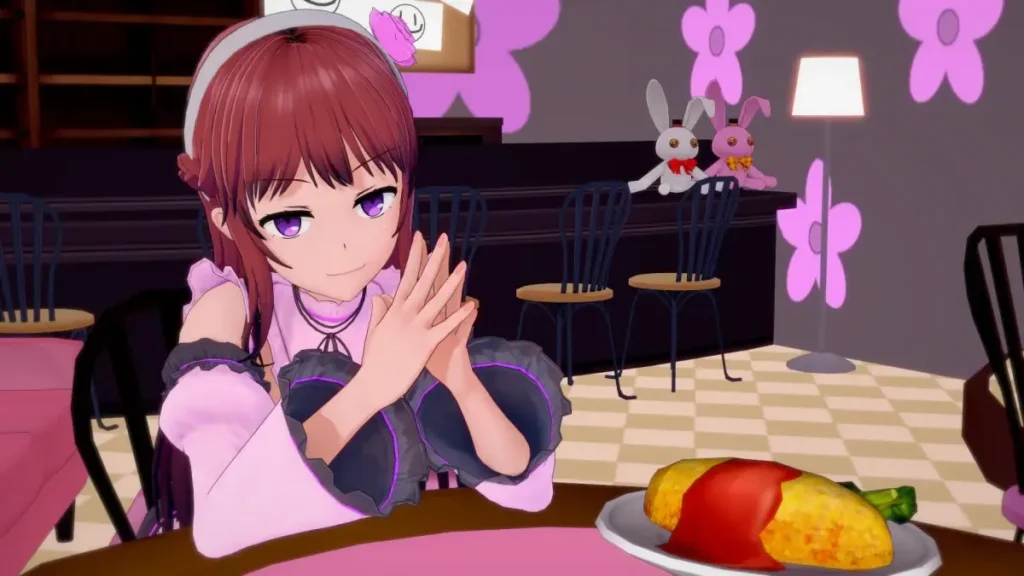
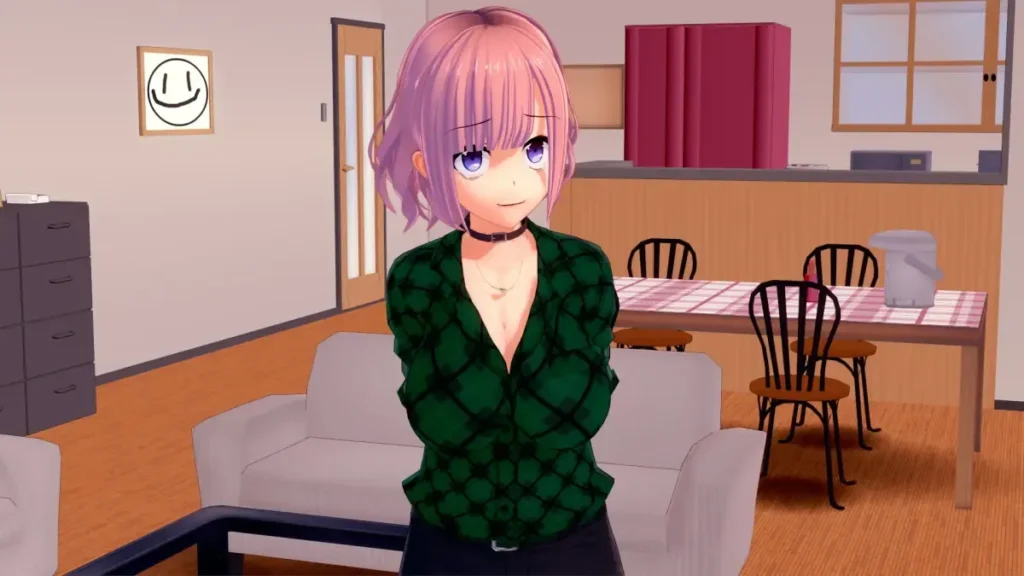
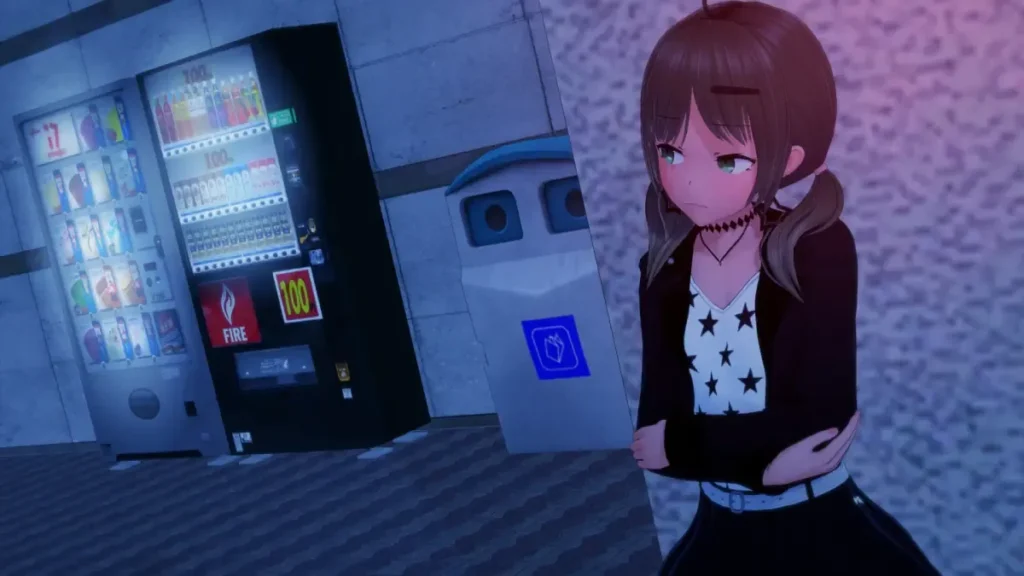


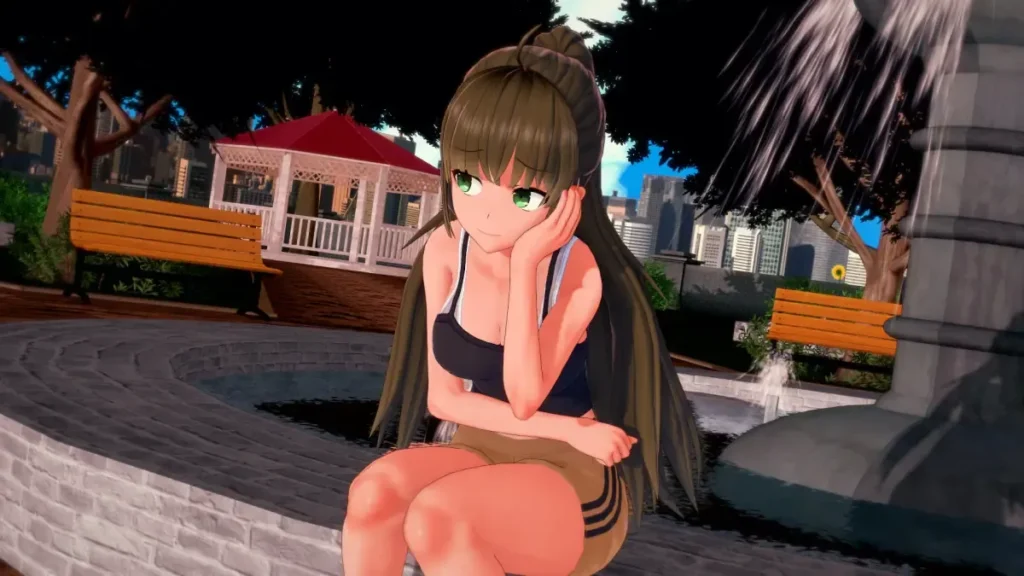







Lessons in Love review
Master the twisted romance and dark secrets of this captivating visual novel
Ever stepped into a world where teaching high school girls turns into a whirlwind of forbidden desires, supernatural twists, and life-altering choices? That’s ‘Lessons in Love’ for you—a visual novel that hooked me from the first reset. As Sensei, you wake up in Kumon-mi with a mysterious past, navigating daily locations to build affection with a cast of complex characters. From steamy encounters to horrifying revelations involving gods like Callous, Calm, and Concerned, this game blends arousal with deep plot. In this guide, I’ll share my personal playbook to conquer ‘Lessons in Love,’ drawing from countless playthroughs and event chases that kept me up all night.
What Makes Lessons in Love Addictively Unique?
I still remember my first playthrough vividly. I clicked start, expecting maybe a lighthearted school romance. What I got was the visceral shock of waking up in a bathtub, water gone cold, with fragmented memories of a dramatic exit from a tall building. That’s your introduction to being Sensei. You don’t just play a character; you are thrust into a life already in shambles, with only a vague commitment to stick around for these mysterious “Lessons in Love.” It’s a masterclass in narrative whiplash, and it perfectly sets the tone for everything that follows. This game isn’t here to coddle you. It’s here to mess with your head, break your heart, and utterly consume your thoughts long after you close it. 😨
So, what is this thing? At its core, Lessons in Love is a massive, time-based visual novel where your primary goal is to navigate the shattered life of Sensei and connect with over 30 students in the eerie coastal town of Kumon-mi. But calling it a dating sim is like calling the ocean a puddle. It’s a psychological labyrinth, a supernatural mystery, and a relentless deconstruction of the genre itself.
How Sensei’s Mysterious Awakening Sets the Stage
That initial awakening isn’t just a plot device; it’s the foundation of the entire Lessons in Love experience. You, as Sensei, have no past. You have hazy, traumatic memories of a fall, and a body that seems both familiar and alien. The game brilliantly uses this amnesia to make you, the player, complicit in Sensei’s often questionable actions. Are you a good person trying to help? Or are you embracing a second chance with fewer morals? The Sensei awakening in Kumon-mi is your blank slate, and how you choose to fill it defines every relationship and plot thread.
This moment of Sensei awakening Kumon-mi creates a profound dissonance. The town seems normal—a high school, a mall, a beach. But from day one, there are cracks. Students say strange, prescient things. Reality glitches. You’ll have conversations that feel like they’re happening on two different layers. This setup is crucial for understanding the what is Lessons in Love plot. You’re not just repairing relationships; you’re piecing together the truth of your own existence and the unsettling nature of Kumon-mi itself, which seems to be a focal point for forces far beyond human understanding. 👁️
Balancing Daily Choices and Affection Mechanics?
The Lessons in Love gameplay loop is deceptively simple, yet incredibly deep. Each in-game day, you choose a location in Kumon-mi to visit. This is how you trigger events and advance the story. Want to check in on the studious Makoto? Go to the Library. Hoping for a chaotic encounter with the energetic Miku? The Gym might be your spot. This is where affection levels events are born. Every meaningful interaction with a girl influences her affection level, a hidden stat that unlocks new dialogue, special scenes, and ultimately, determines which of the game’s many branching paths you’re on.
But it’s not just about spamming locations. The real meat of the Lessons in Love gameplay is in the choices you make during conversations. These choice consequences in this visual novel are severe and often permanent. Choosing to be supportive might open a route, while choosing to pry or be aggressive can slam it shut—sometimes in terrifying ways. The game doesn’t have traditional “game over” screens; instead, you live with the emotional fallout, which can alter the trajectory of the entire story.
To help you navigate the early game, here’s a table of some key initial events. Tracking days and affection is the key to avoiding missed opportunities!
| Event Name | Day Requirement | Trigger / Location | Primary Effect |
|---|---|---|---|
| Outside of Everything | Day 26 | Auto-event after school | +1 Makoto Affection |
| A Quiet Moment | Day 14 | Visit the School Roof | Unlocks deeper Yumi dialogue options |
| Library Assistance | Day 5 | First visit to the Library | Initiates Makoto’s core route |
| Gymnasium Chaos | Day 10 | Visit the Gym after 3 PM | Introduction to Miku’s storyline |
| The Coastal Path | Day 31 | Visit the Beach on a Sunny Day | Triggers first major multi-character event |
Remember, this is just the tip of the iceberg. The calendar is your bible, and paying attention to weather, time of day, and previous choices is essential for mastering this visual novel‘s complex systems.
Unpacking the Supernatural Lore and Dark Twists
Now, let’s peel back the cute anime surface. The art style dissonance in Lessons in Love is a deliberate and powerful tool. The characters are drawn in a familiar, attractive anime style, which makes the moments of horror hit so much harder. A serene scene can suddenly feature a disembodied limb in the background. A cheerful conversation can be undercut by text describing a smell of decay or a flicker of something inhuman in a character’s eyes. This art style dissonance Lessons in Love employs keeps you permanently off-balance, teaching you to distrust the very screen you’re looking at. 😱
This ties directly into the supernatural heart of the what is Lessons in Love plot. Kumon-mi is governed by a fictional trinity of gods: the supernatural gods Callous, Calm, and Concerned. They aren’t distant deities; they are active, manipulative, and deeply integrated into the girls’ lives. Callous, often embodied by the lustful and chaotic entity Nozomu, represents raw desire and impulse. Calm and Concerned represent other facets of control and emotion. Your actions as Sensei, your relationships with the girls, and the very stability of reality are all part of their incomprehensible game. Engaging with this lore—the supernatural gods Callous and their siblings—isn’t optional for understanding the full story. It’s the key to the mystery.
This brings us to the game’s most infamous evolution: its intimate scenes. Early on, they might feel like fan-service. But as you progress, they transform into the exact opposite: “Porn with Plot” that becomes intensely emotional, psychologically revealing, and critical for plot development. An intimate moment might be where a character finally breaks down and reveals a traumatic memory, or where you witness a supernatural phenomenon firsthand. They are narrative pillars, not distractions.
Finally, let’s talk about practical survival. The choice consequences visual novel mechanics will punish you for thoughtless clicks. Here are my top 5 pitfalls from painful personal experience:
- Prying into Yumi’s personal life too early: Choosing the aggressive “What’s wrong with you?” option can lead to a forced, fear-filled kiss and her closing off for dozens of game days.
- Ignoring Makoto’s subtle cues: She values honesty and patience. Making flippant or dismissive jokes during her serious moments can stall her route entirely.
- Trying to romance everyone simultaneously: The game’s systems are complex and often conflict. Focusing on one or two paths per playthrough yields much richer, more coherent stories.
- Assuming resetting is a fix-all: The game remembers. Certain flags are permanent. A reset might change Sensei’s base personality (from lustful to remorseful, for example), but key story beats persist.
- Missing time-sensitive events: Like the beach trip. If you haven’t built the right affection levels or triggered prerequisite events, a sunny day at the beach can become a lonely, plot-stalling experience instead of a major story arc.
My #1 Tip: Keep a journal. Note the day, who you talked to, and major choices. You’ll thank yourself later when trying to piece together how to unlock a specific, elusive scene.
In the end, the addictive uniqueness of Lessons in Love comes from its brave commitment to its own bizarre vision. It uses the Sensei awakening Kumon-mi premise to explore profound themes of guilt, identity, and desire, all wrapped in a gameplay loop that is equal parts nurturing and terrifying. It’s a game that loves its characters while putting them through hell, and it demands the same complex affection from you. You’ll be frustrated, shocked, and sometimes disturbed, but you’ll never be bored. Mastering its twisted romance and dark secrets is one of the most uniquely rewarding experiences in the world of visual novels. 💘
Diving into ‘Lessons in Love’ transformed my gaming nights into epic sagas of lust, regret, and cosmic intrigue—Sensei’s journey from insatiable pursuer to remorseful wanderer mirrors choices we’ll all face. You’ve got the tools now: master daily events, affection builds, and those game-changing decisions to unlock every twisted path in Kumon-mi. Whether chasing Maki’s bold energy or unraveling the gods’ secrets, replay with fresh eyes. Grab the latest update, fire up your save, and lose yourself in this masterpiece. What’s your first route? Share in the comments—I’d love to swap event war stories!