Subverse Screenshots

Subverse review
A comprehensive guide to the hybrid gameplay, story, and features of this unique indie title
Subverse stands as one of the most ambitious indie games in recent years, combining tactical role-playing gameplay with space shooter mechanics and narrative-driven storytelling. Developed by FOW Interactive and published by Streembit Ltd, this game launched in early access on Steam in March 2021 and reached full release on November 15, 2024. With a Kickstarter campaign that raised over £1.6 million, Subverse represents a significant milestone in gaming, blending multiple genres into a cohesive experience set in the fictional Prodigium Galaxy. This guide explores everything you need to know about the game’s mechanics, story, and what makes it a standout title in the indie gaming landscape.
Gameplay Mechanics: Understanding Subverse’s Hybrid Combat System
Ever found yourself bouncing between a slow, methodical strategy game and a frantic, reflex-testing arcade shooter, wishing you could just have both? 🤔 I’ve been there. You’re in the mood for deep, tactical thinking one minute, and the next, you just want to blow stuff up in a spectacular laser light show. Most games force you to choose, but what if you didn’t have to? That’s the exact puzzle Subverse solves with its brilliantly brazen hybrid design.
This isn’t a game where one style feels tacked on. The Subverse tactical combat system and its explosive space shooter shmup gameplay are two core, fully realized halves of a thrilling whole. They’re connected by a rich character progression system and engaging crew management gameplay. It’s a wild ride that switches gears seamlessly, and understanding how these pieces fit together is key to mastering its universe. Let’s break down this unique triple-threat of gameplay.
Tactical Grid Combat and Strategic Gameplay
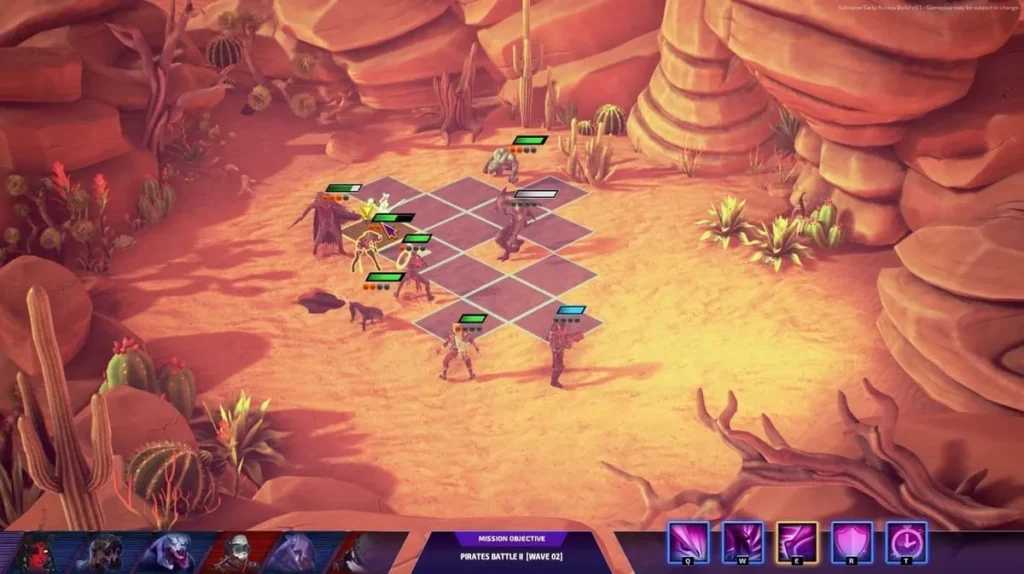
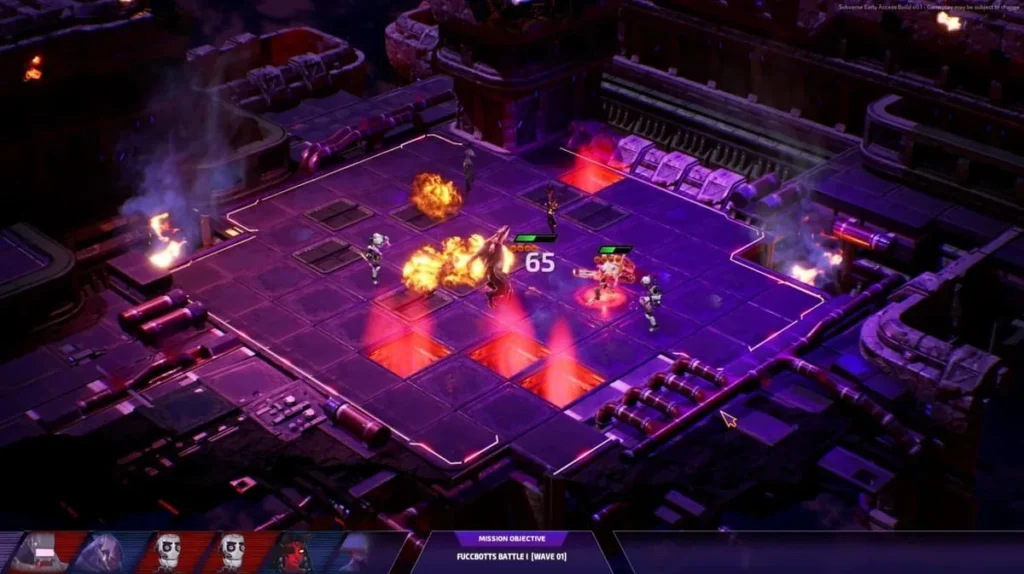
When the mission calls for planetary incursion or neutralizing a key ground target, Subverse shifts into a mode that will thrill any fan of thoughtful, positional play. Forget simple auto-battling; here, you’re a commander. The battlefield is a grid-based RPG gameplay arena, calling to mind the chess-like satisfaction of classic turn-based strategy game greats.
You command two key assets: your iconic crew members (each a hero unit with unique abilities) and a custom army of your own devising. That’s right—you recruit, customize, and deploy squads of Mantid drones, from frontline bruisers to long-range artillery. I remember one early mission where I carelessly sent my prized assault squad into a choke point, only to watch them get evaporated by overlapping enemy fire. It was a painful lesson in the importance of cover, flanking, and unit synergy. 🐜💥
The flow of combat is governed by a clever tempo system. Each turn, you can move and act with your units, but so can the enemy. The twist? Defeating enemies and securing objectives fills an “Attack Tempo” bar. Fill it, and you unleash a powerful, game-changing ability, like calling in a devastating orbital strike or deploying emergency reinforcements. This mechanic forces you to balance cautious advancement with aggressive plays to trigger these moments of advantage. It’s a dynamic layer that prevents the combat from ever feeling static.
What truly brings this Subverse tactical combat system to life are your crewmates. Each has a distinct fighting style and role. You might have one who excels at crowd control, locking down groups of enemies, while another is a single-target assassin who can teleport across the grid. Positioning them correctly—using a tanky character to hold a line while a fragile damage-dealer fires from behind—is the difference between a flawless victory and a reload screen. This fusion of hero-focused tactics with army command creates a deeply strategic experience that rewards careful planning.
| Combat System | Gameplay Style | Pacing | Core Strategic Element | Primary Reward Mechanic |
|---|---|---|---|---|
| Tactical Grid | Turn-based, positional warfare on a hex/square grid. Command heroes and armies. | Methodical, thoughtful. Players have unlimited time to plan each turn. | Unit placement, ability combos, resource (Tempo) management, and countering enemy types. | Mission completion grants points and items for the progression system. High ratings yield better rewards. |
| Vertical SHMUP | Classic top-down scrolling shooter. Enemies and bullets come from the top of the screen. | Fast, intense, reflex-based. Constant movement and target prioritization are key. | Weapon selection for enemy waves, positioning to avoid bullet patterns, managing a limited “Bomb” resource for emergencies. | Score-based performance (destroying enemies, collecting drops) directly influences the quantity and quality of post-mission loot. |
| Side-Scrolling SHMUP | Horizontal 2D shooter. The ship moves left-to-right through environments. | Pulsating, stage-based action. Features environmental hazards and larger, screen-filling bosses. | Using asteroid cover, memorizing boss attack patterns, and managing forward/backward movement in a more open space. |
Space Shooter Sections and Arcade-Style Action
Just when you’ve settled into the strategic mindset, Subverse throws you into the cockpit of the spaceship Mary Celeste for a dose of pure, unadulterated chaos. This is where the space shooter shmup gameplay takes center stage, and it’s built from the ground up to deliver a blistering, authentic arcade feel. ✈️🔥
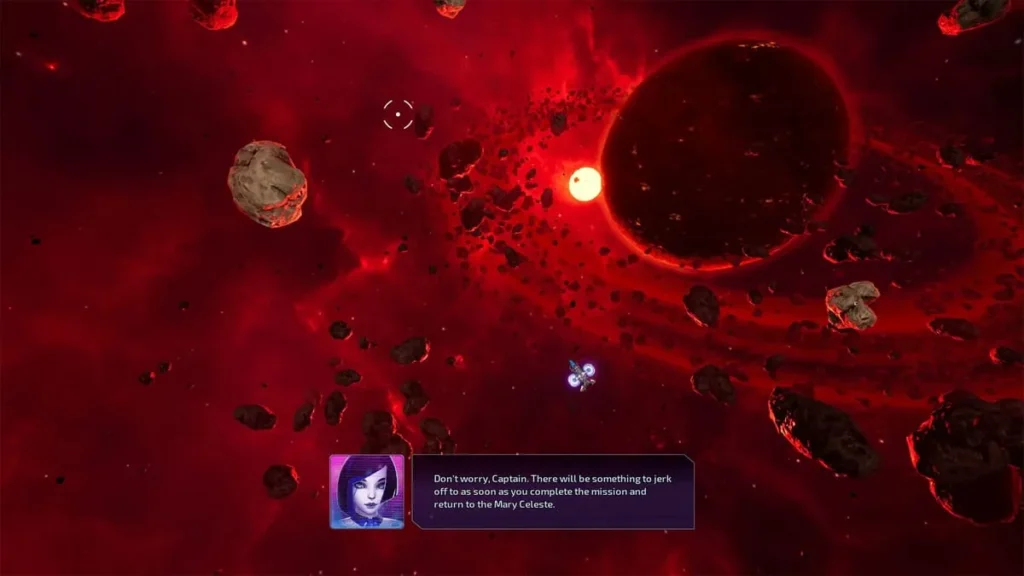
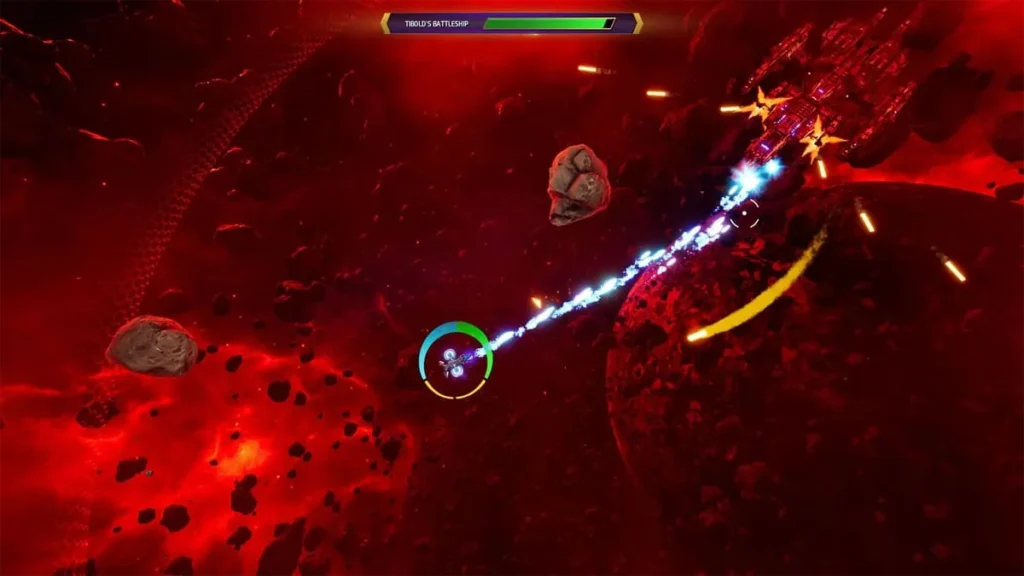
These sections come in two exhilarating flavors: the classic vertical scroller and the intense side-scroller. In vertical mode, you’re pushing upwards against cascading waves of fighters, drones, and bullets, relying on tight dodges and smart weapon selection. The side-scrolling mode, however, was a personal favorite of mine—it evokes the feel of pioneering sci-fi shooters, where you navigate through asteroid fields, using rocks as vital cover from incoming barrages. The sense of speed and danger is palpable.
This arcade-style combat is all about reflexes, pattern recognition, and aggressive play. Your ship is equipped with primary weapons, sub-weapons, and a limited-use “Bomb” that clears the screen of bullets—a literal panic button for when things get too hot. The game brilliantly uses these segments as narrative punctuation. Escaping a blockading fleet or engaging in a pitched battle in asteroid fields isn’t just a cutscene; it’s a skill-testing challenge you must overcome.
Pro Tip: Your performance in these shooter sections isn’t just for bragging rights. The game tracks your score—based on enemies destroyed and collectibles grabbed—and directly ties it to your rewards. Fly recklessly and just survive, and you’ll get a basic payoff. Master the stage, chain kills, and take risks to maximize your score, and you’ll be showered with extra resources for the character progression system. It’s a brilliant incentive to actually engage with the mechanics, not just endure them.
Both the tactical grid and the shmup gameplay are woven together by the ongoing story, presented in a polished visual novel style. Decisions you make and missions you complete open up new narrative branches and character interactions, which in turn unlock new combat challenges and opportunities. It creates a compelling loop: fight to advance the story, engage with the story to learn about your crew, and use that knowledge to become a more effective commander and pilot.
Character Progression and Crew Management
All the combat in the world would feel hollow without a meaningful sense of growth, and Subverse delivers this through its interconnected character progression system and crew management gameplay. This is the glue that binds the two combat styles together and provides that irresistible “just one more mission” hook.
Every completed mission, whether a tense grid battle or a frenetic shooter sequence, rewards you with two key currencies: points and items. These aren’t just abstract numbers; they’re the lifeblood of your progression. Here’s how you put them to work:
- Crew Leveling & Skill Unlocks: Each of your core crew members gains experience and levels up. Leveling unlocks new, more powerful abilities for use in the tactical combat system. Investing in one character might give your army a powerful global buff, while investing in another could unlock a devastating single-target execute move. You shape their combat role directly.
- Ship Upgrades: The Mary Celeste isn’t just a pretty hull. You can spend resources to upgrade its weapons, shields, and engines for the space shooter shmup gameplay. This turns previously daunting sections into manageable, then masterable, challenges. That brutal boss that took you a dozen tries? With upgraded homing missiles and a stronger shield, you’ll take it down with style.
- Army Customization: Remember your mutant alien troops? The grid-based RPG gameplay mechanics extend to them. You can research new unit types, upgrade existing ones, and tailor your squad composition to your preferred strategy. Prefer an overwhelming swarm? A few elite, heavily upgraded giants? The choice is yours.
- Unlockable Content: Progression opens doors—new story scenes, special challenge missions, and behind-the-scenes content. It feels rewarding because your combat proficiency directly translates into more of the game’s world and narrative.
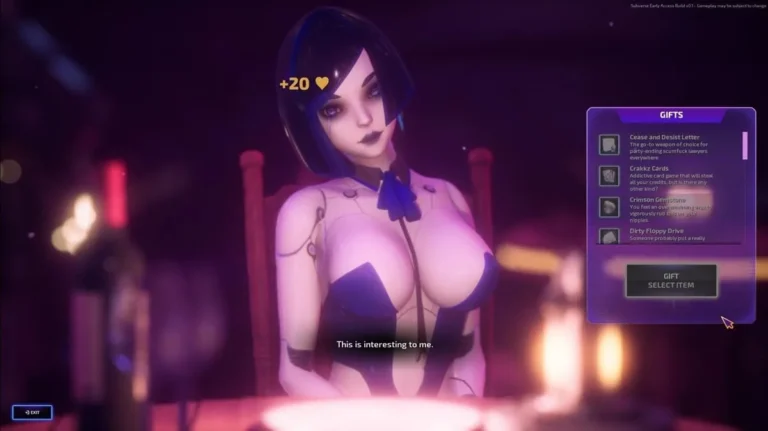
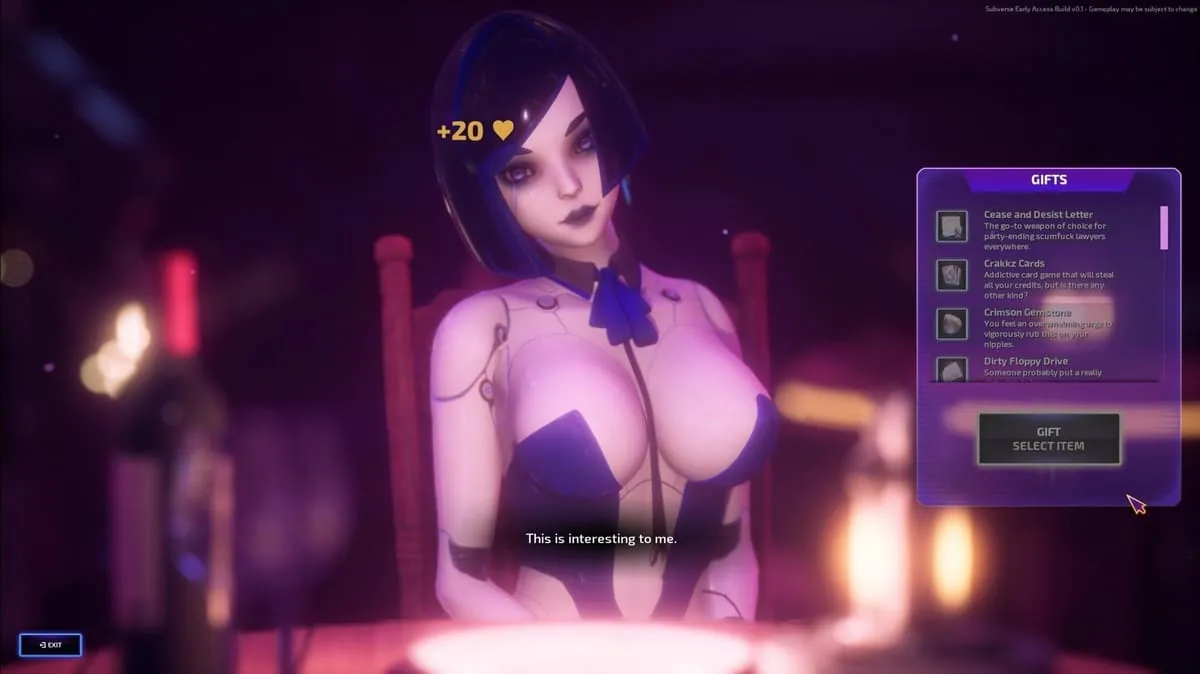
This is where the crew management gameplay truly shines. Your crew aren’t just stat sheets; they’re characters with distinct personalities, backstories, and relationships that unfold through the visual novel segments. Investing in them feels personal. You’re not just boosting “Sniper Unit A,” you’re empowering a character you’ve had conversations with and learned to care about. Managing them means making choices about who to bring on missions (affecting your available hero units in tactical combat) and deciding whose abilities to enhance first based on your playstyle.
The brilliance of Subverse lies in this synergy. The arcade-style combat tests your reflexes for immediate rewards. The deep Subverse tactical combat system tests your mind for strategic victory. And the comprehensive character progression system ensures that every triumph, in either field, makes you permanently stronger and more capable for the next challenge. It’s a loop that respects your time, rewards your skill, and constantly dangles new goals just ahead, making it an unforgettable hybrid adventure.
Subverse represents a bold fusion of tactical role-playing gameplay, space shooter action, and narrative-driven storytelling set in the expansive Prodigium Galaxy. From its record-breaking Kickstarter campaign to its full release in November 2024, the game has evolved into a substantial indie title offering multiple gameplay systems, character progression mechanics, and an engaging story about overthrowing an oppressive galactic regime. The combination of grid-based tactical combat, arcade-style shooter sections, and relationship-building mechanics creates a unique gaming experience that appeals to players seeking both strategic challenges and narrative depth. Whether you’re interested in the gameplay mechanics, the story of the Captain’s rebellion, or the development journey of this ambitious project, Subverse stands as a significant milestone in gaming that demonstrates the viability of blending multiple genres and content styles into a cohesive, rewarding experience. For players looking to explore this title, the full version now offers comprehensive content with ongoing updates planned for the future.