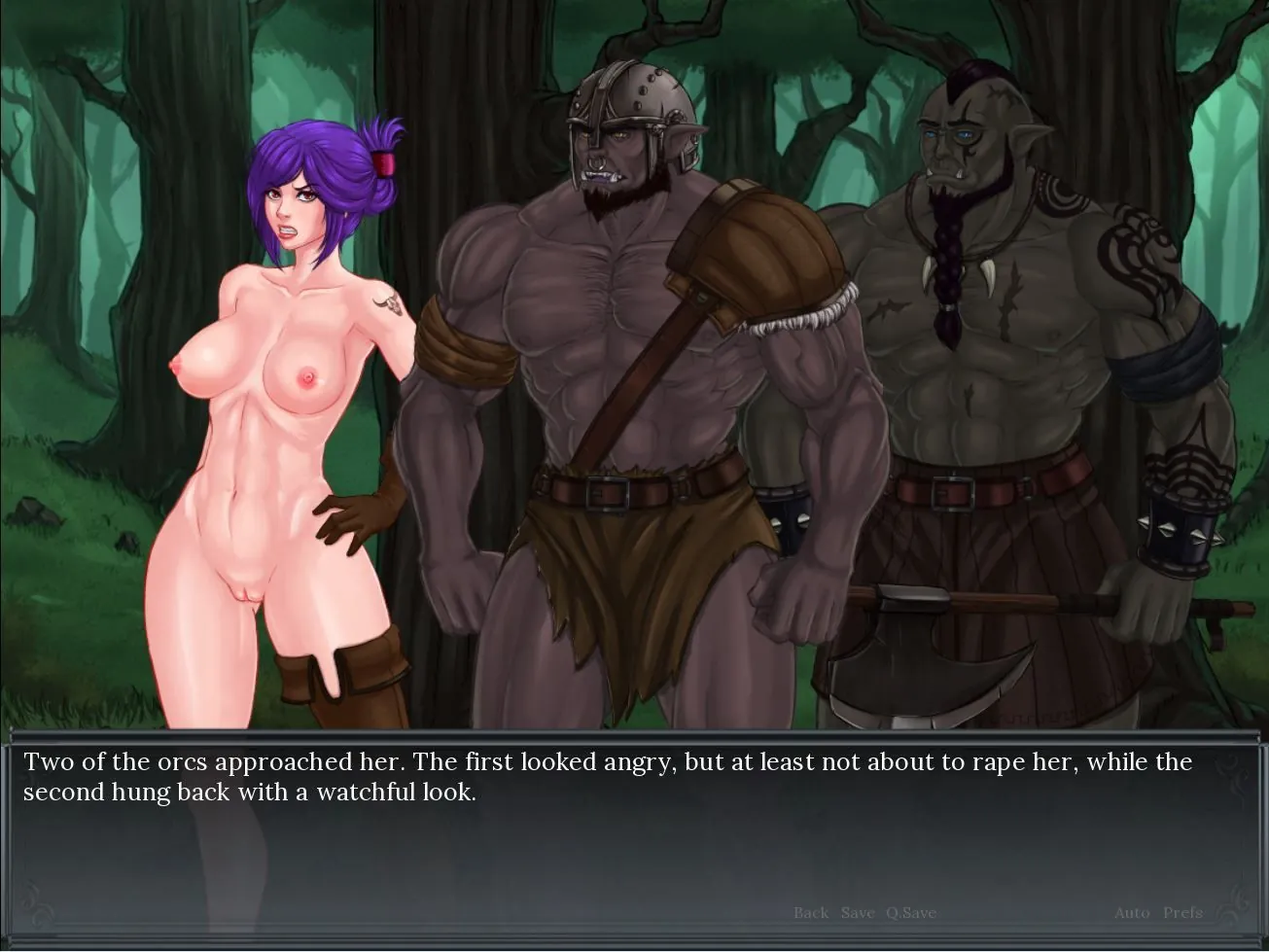
Play Welcome to Free Will
Welcome to Free Will Screenshots


















Welcome to Free Will review
Master the choice-driven narrative system and unlock multiple story paths in this interactive experience
Welcome to Free Will stands out as an innovative interactive experience that puts player agency at the center of storytelling. Unlike traditional linear narratives, this choice-driven game creates a unique journey for each player based on their decisions, stat builds, and relationship management. Whether you’re exploring the bustling city center, engaging in meaningful conversations with characters, or navigating complex moral dilemmas, every action sends ripples through the game world. This comprehensive guide explores the core mechanics that make Welcome to Free Will a compelling experience, from understanding how your choices shape relationships to mastering the action point system that governs your daily activities.
Understanding the Choice-Driven Narrative System
Remember that feeling in other games where you pick a “good” or “bad” dialogue option, and all that changes is a line of text or a tiny reward? 😴 You’re told your choices matter, but it often feels like you’re just picking different-colored doors that lead to the same room. Welcome to Free Will throws that entire rulebook out the window. This isn’t about picking a side on a simple scale; it’s about stepping into a living, breathing world that remembers everything. The core of this experience is its profound choice-driven narrative, a system where your voice is the primary author of the tale. 🎭
This guide will pull back the curtain on how this incredible system works. We’ll explore how every whispered secret, every act of mercy or cruelty, and every alliance you forge doesn’t just nudge the story—it fundamentally rewrites it.
How Player Decisions Shape Your Story
At the heart of Welcome to Free Will is a simple, powerful truth: you are in control. This is the purest expression of player agency in games I’ve ever experienced. There’s no morality bar filling up in the corner. Instead, the game employs a sophisticated web of invisible trackers that monitor your reputation with factions, the emotional state of every character you meet, and the strength of your alliances.
Think of it like this: the game isn’t judging you as “Paragon” or “Renegade.” It’s observing you as a person. Did you publicly humiliate the City Guard captain to win a crowd’s favor? The Guard’s ledger now has a negative mark next to your name, but the underground protesters might have heard a rumor about a new, bold ally. Did you spend an extra hour comforting a grieving side character instead of rushing to your main objective? That moment of kindness is logged in their memory, potentially altering how they interact with you dozens of hours later.
This approach to interactive storytelling mechanics means your identity is defined by action, not alignment. A single playthrough might see you become a pragmatic negotiator, while another casts you as a ruthless opportunist, all based on a cumulative series of decisions, big and small. The game’s branching storylines aren’t triggered by one dramatic “YES/NO” choice at the end of a chapter. They grow organically from the soil of dozens of smaller moments you’ve cultivated along the way.
The Ripple Effect: Consequences That Matter
The magic of Welcome to Free Will is in the echo of your actions. This is consequence-based gameplay at its finest. A choice you make in the bustling market district in Act 1 can dramatically reshape the political landscape in the noble quarters by Act 3. The game specializes in what I call “narrative butterfly effects.”
Let me share a personal example from my first playthrough. Early on, I encountered a young thief trying to steal medicine for his sick sister. The “heroic” choice seemed obvious: apprehend him and hand him over to the guards. So I did. I felt like I’d upheld justice. Fast forward twenty hours. My party was cornered in the sewers, outnumbered and out of options. Who led the guard patrol that captured us? That same thief, now hardened and promoted within the Guard, who remembered my face with perfect, bitter clarity. My “good deed” had created a dedicated enemy. In another playthrough, I looked the other way. That same character later provided a crucial, life-saving distraction when I needed to sneak into a heavily fortified compound.
These aren’t just “good” or “bad” outcomes. They are logical, often unexpected, results of a world that feels truly reactive. This character relationship impact is constant. Companions will voice their approval or disgust with your calls. Push them too far against their values, and they may simply refuse to follow an order, or even leave your group entirely, forcing you to adapt your strategy without them.
The most powerful consequences are often the quietest. A companion you consistently ignore might stop sharing their backstory. A leader you betray might not give an angry speech—they might just look at you with cold, silent disappointment before turning away. This emotional realism makes the consequence-based gameplay hit harder than any scripted catastrophe.
Your decisions funnel you toward major narrative junctions. While there are countless variations, your actions generally align you with one of three major narrative currents. The table below breaks down the pivotal choice of how to handle the uprising in the city of Veridia, which serves as the game’s central conflict.
| Your Chosen Path | Immediate Consequences | Long-Term Narrative Branches |
|---|---|---|
| Siding with the City Guard 🛡️ | Immediate access to restricted areas, Guard equipment, and official support. The Protesters and their allies become openly hostile. | Unlock missions to dismantle the rebellion from within, gaining political power and law-enforcement perks. However, you remain blind to the deeper, mystical lore driving the protesters’ cause and may face betrayal from corrupt Guard officials. |
| Siding with the Protesters ✊ | You become a fugitive from the law, gaining safehouses in the slums and access to underground networks. The Guard will patrol for you aggressively. | Dive deep into the ancient history and hidden magic of Veridia, unlocking unique skills and uncovering the city’s darkest secrets. Your path is fraught with moral ambiguity and internal faction strife. |
| Remaining Officially Neutral ⚖️ | Both sides view you with suspicion, denying you their full trust and best rewards. You have to work harder for basic access. | Unlock the possibility of mediating the conflict or discovering a hidden, third faction that operates in the shadows. This path offers the most unique, obscure endings but requires delicate balancing and masterful diplomacy. |
Multiple Paths and Hidden Outcomes
This is where the promise of Welcome to Free Will fully blossoms. We’re not talking about a handful of different endings. We’re talking about fundamentally different stories. The narrative paths and endings available to you are a direct product of the reputation and relationship webs you’ve spun. The game is packed with hidden scenes, entire missions, and character arcs that only unlock under very specific conditions.
Let’s explore a concrete scenario to see these interactive storytelling mechanics in action. In the mid-game, you learn that a rebel leader is secretly researching a cure for a plague in the slums, but her methods are ethically questionable.
You have three core approaches, each with massive character relationship impact:
-
Option 1: Negotiate for the Research. You use your reputation with the city’s scholars to secure her safe, official funding. ✨
- Outcome: The cure is developed ethically and distributed publicly. The rebel leader becomes a lifelong, powerful ally, but the City Guard sees your collaboration as treason, severing that alliance.
-
Option 2: Ambush and Seize the Research. You decide the ends justify the means and raid her lab with force. ⚔️
- Outcome: You get the research data immediately, unlocking a powerful plague-resistant buff for your party. However, the rebel leader and her entire network become your sworn enemies, and you’ll face relentless ambushes from them for the rest of the game. Your compassionate companions may abandon you.
-
Option 3: Leak the Intel to the Guard. You expose her operation to the authorities to maintain your clean record. 📜
- Outcome: The Guard shuts down the lab and arrests her, boosting your standing with them significantly. However, the plague continues unchecked in the slums. Later, you may encounter desperate, sick citizens who blame you for their suffering, creating new obstacles and moral dilemmas.
And here’s the real kicker—this is just one decision tree. The game is made of dozens of these. Your unique combination of choices determines which final acts are even available to you. You might reach the climax as a revered hero leading a united city, a shadowy manipulator controlling both sides from the ruins, or a lonely survivor in a city that tore itself apart, with no one left to trust.
This density of possibility ensures that no two playthroughs are identical. Unless you deliberately try to replicate every single choice (which is nearly impossible given the subtle variations), your journey will be yours alone. The branching storylines are so extensive that discovering a new piece of dialogue or a scene you’ve never seen before is a common, thrilling occurrence even on a third or fourth run.
Mastering Welcome to Free Will isn’t about finding the “best” path. It’s about embracing the weight of your player agency in games and experiencing the story you want to tell, with all its beautiful, tragic, and unexpected consequences. So go ahead—make your choice, and listen closely for the ripple. The world is waiting to remember you. 🌍🔓
Welcome to Free Will delivers a deeply personal gaming experience where your decisions genuinely matter. From the moment you create your character and allocate your first action points, you’re writing your own story through countless meaningful choices. The game’s sophisticated systems—choice-driven narratives, stat-based dialogue options, relationship mechanics, and action point management—work together to create a world that feels alive and responsive to your actions. Whether you’re navigating complex moral dilemmas, building relationships with intriguing characters, or discovering hidden factions and secret endings, every playthrough offers a unique journey. The beauty of Welcome to Free Will lies in its recognition that there’s no single ‘correct’ way to play; instead, it celebrates the personal narrative you create through your choices, making each experience genuinely yours. If you’re seeking an interactive experience that prioritizes meaningful decision-making and rewards exploration and experimentation, Welcome to Free Will invites you to step into a world where your choices truly shape your destiny.